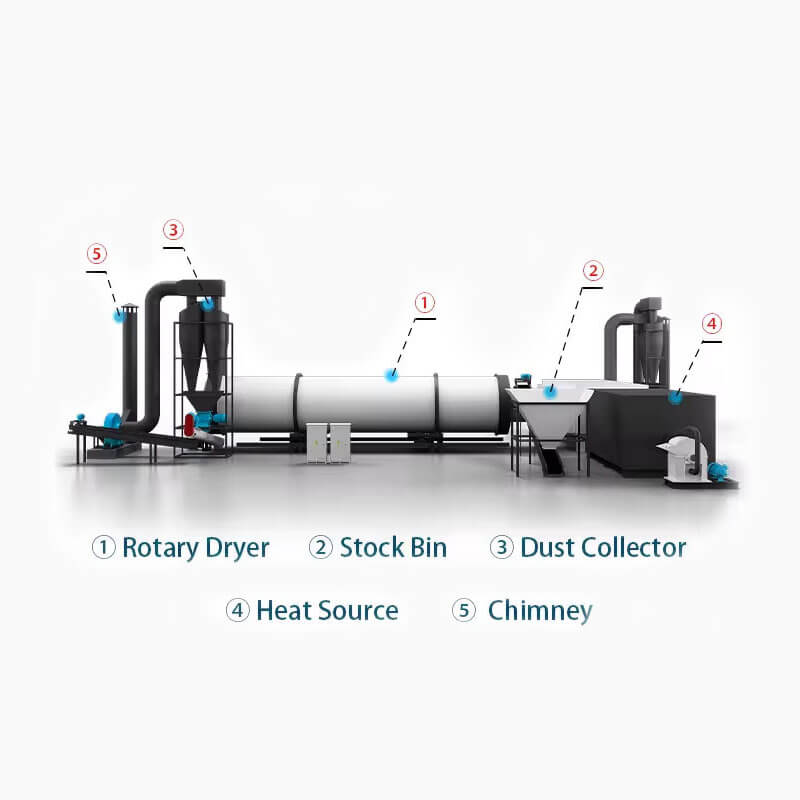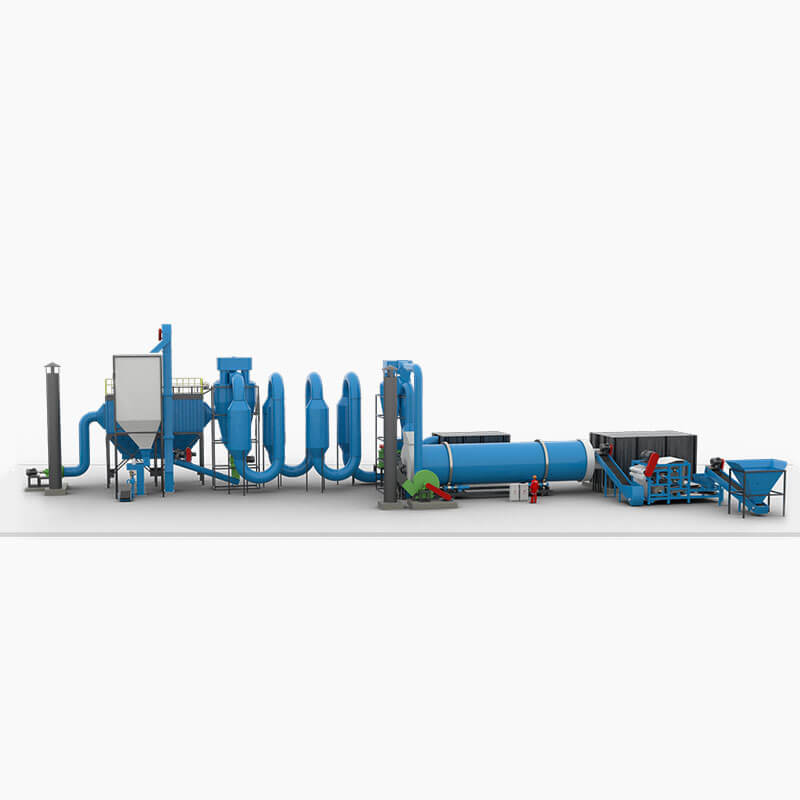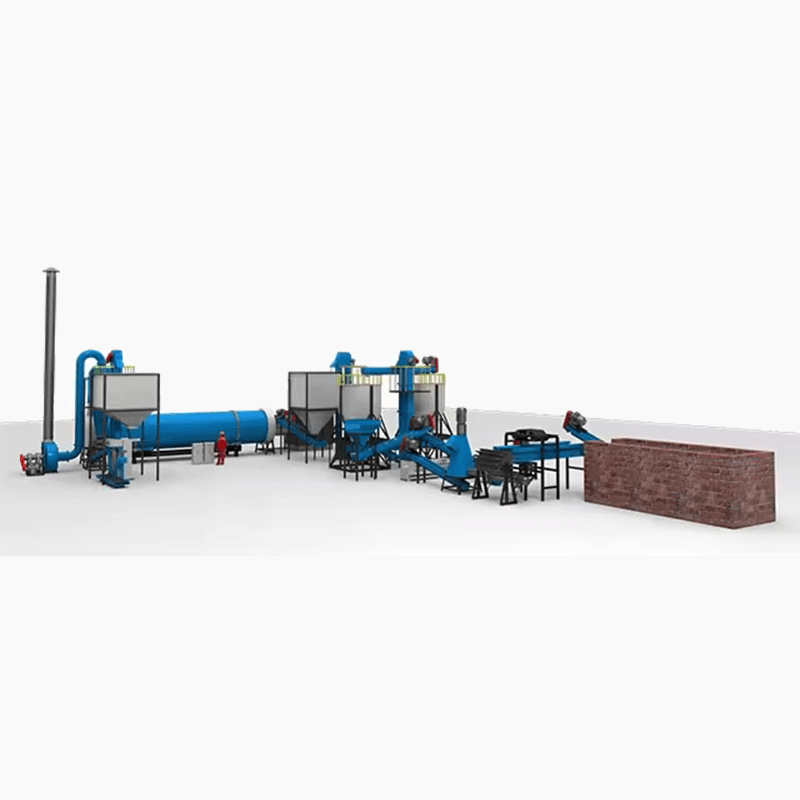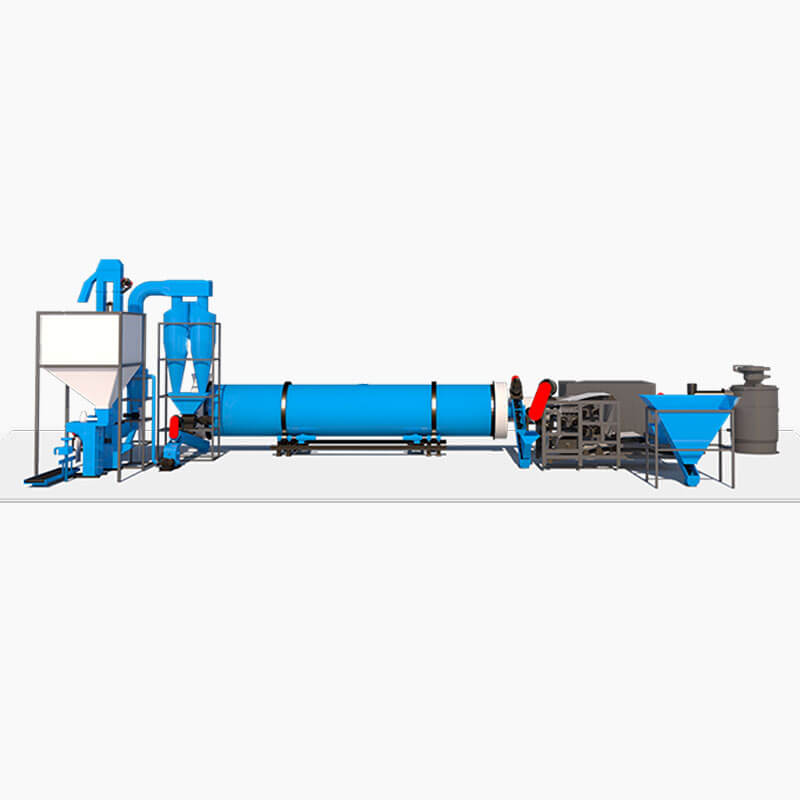
Paddle Rotary Drying Plant
Indirect Conduction Low-Temp Rotary Paddle Dryer for Viscous Sludge & Paste Materials
Paddle Rotary Drying Plant is a professional indirect conduction low-temperature drying equipment. Specially designed for high-viscosity, easy-agglomeration materials such as industrial sludge, filter cake, paste residues and organic slurry. It achieves 90%+ thermal efficiency, low dust, low energy consumption and non-destructive low-temperature drying, being the optimal solution for high-viscosity industrial material reduction and resource recycling.
Energy Saving
Eco-Friendly
Fully Enclosed
What is Paddle Rotary Drying Plant?
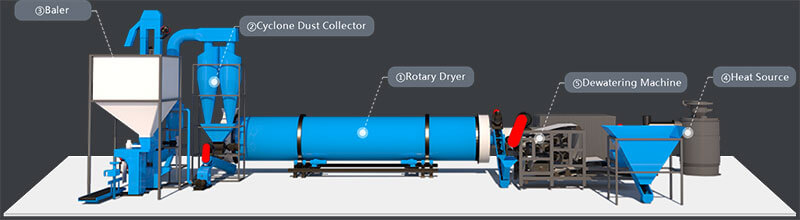
Most traditional rotary dryers rely on hot air convection drying, which is inefficient, high in energy consumption, and prone to material loss and dust overflow, especially unable to adapt to viscous, paste-like and filter cake materials that are easy to stick and agglomerate. The Paddle Rotary Drying Plant abandons the traditional hot air drying mode and adopts advanced indirect conduction heating principle. The hollow paddle shaft and jacket shell serve as high-efficiency heat exchange carriers, achieving uniform and mild heating of materials.
During operation, the rotary wedge paddles continuously stir, crush, flip and push materials, effectively solving material bonding and agglomeration problems. The fully enclosed structure ensures dust-free and odor-free production. With ultra-high thermal efficiency and low-temperature drying characteristics, it avoids material scorching, nutrient decomposition and quality deterioration. It is widely used in environmental protection sludge treatment, chemical industry, food processing, pharmaceutical and agricultural waste recycling fields, becoming mainstream energy-saving drying equipment for high-viscosity materials.
Contents
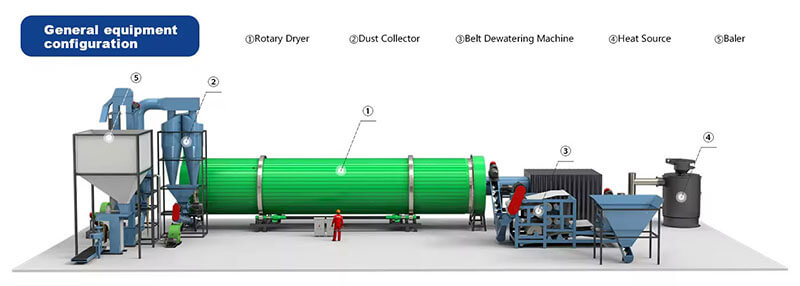
Complete Equipment Composition of Paddle Rotary Drying Plant
1. Dual-Shaft Hollow Wedge Paddle Host (Core)
The core component adopts dual-axis symmetrical hollow wedge-shaped paddle structure. Heat medium such as steam, thermal oil or hot water circulates inside the hollow shaft and paddles, forming a large-area uniform heat conduction surface. The special wedge design produces strong shearing and stirring force during rotation, which can fully break up viscous agglomerated materials. Compared with ordinary drying equipment, it has larger heat exchange area and more uniform heating effect, completely solving the drying dead angle of paste materials.
2. Fully Enclosed W-Type Jacket Cylinder
The main cylinder adopts W-type horizontal structure with integral jacket thermal insulation design. The jacket can pass through heat medium for auxiliary heating, cooperating with the paddle heating system to form three-dimensional omnidirectional heat conduction. The fully sealed cylinder body prevents dust and odor overflow, realizes micro-negative pressure clean operation, and meets strict industrial environmental protection emission standards. The thickened thermal insulation layer effectively reduces heat dissipation loss and improves overall thermal utilization rate.
3. Variable Frequency Feeding & Discharging System
Equipped with quantitative variable-frequency feeding device, which can stably and continuously feed materials according to different material viscosity and moisture. The adjustable overflow discharging mechanism freely controls material residence time in the cylinder, precisely matching different drying moisture requirements. It realizes automatic feeding, uniform drying and stable discharging, ensuring consistent finished product quality in each batch.
4. Low-Temperature Dehumidification & Waste Gas Purification System
Equipped with professional moisture exhaust and tail gas purification device. Water vapor evaporated from materials is discharged in time, and trace peculiar smell and fine dust are purified and filtered up to standard. No secondary pollution is generated during the drying process. The system cooperates with the fully enclosed structure to ensure clean and environmentally friendly workshop production.
5. Intelligent PLC Constant Temperature Control System
Dedicated intelligent control system for paddle drying equipment, supporting real-time monitoring and automatic adjustment of internal temperature, rotating speed and feeding volume. It presets parameter models for sludge, paste, filter cake and other viscous materials, with over-temperature protection, overload alarm and automatic shutdown functions. It realizes 24-hour unmanned continuous operation with high intelligent operation and simple maintenance.
Core Product Advantages of Paddle Rotary Drying Plant
1. 90%+ Ultra-High Thermal Efficiency & Energy Saving
Different from traditional hot air convection drying with serious heat loss, this paddle rotary dryer adopts full indirect conduction heating. Almost no heat is taken away by circulating air, and the heat utilization rate is as high as more than 90%. It saves 40%-60% energy compared with ordinary rotary drying lines, greatly reducing long-term fuel and power consumption costs for enterprises.
2. Professional Adaptation for Viscous & Agglomerated Materials
The unique wedge-shaped rotary paddle has powerful stirring, shearing and crushing functions. It continuously breaks up sticky, caking and pasty materials during operation, avoiding material wall sticking, accumulation and incomplete internal drying. It perfectly solves the industry pain point that traditional dryers cannot process high-viscosity sludge and filter cake materials.
3. Mild Low-Temp Drying & No Material Deterioration
Indirect uniform conduction heating realizes mild low-temperature drying, avoiding local overheating and high-temperature baking damage. It does not cause material scorching, discoloration, decomposition and nutrient loss, effectively retaining the original physical and chemical properties of materials. It is especially suitable for heat-sensitive materials such as food residues and pharmaceutical sludge.
4. Fully Enclosed Dust-Free & Eco-Friendly Operation
The whole machine adopts fully sealed micro-negative pressure structure, no dust overflow, no odor leakage during operation. The matched tail gas purification system ensures zero secondary pollution. The closed operation environment is clean and meets international industrial environmental protection standards, solving the dust pollution problem of traditional open drying equipment.
5. Compact Structure & Small Floor Space
Integrated horizontal compact design, with large effective drying volume and small occupied area. The equipment has simple overall structure, few wearing parts and stable operation. It does not need complex auxiliary hot air circulation system, reducing workshop investment and equipment maintenance costs.
6. Wide Application & Adjustable Drying Precision
The material residence time and drying temperature can be adjusted freely, realizing precise moisture control. It is universally applicable to sludge, chemical paste, food filter cake, agricultural residues and various high-viscosity wet materials. One machine for multiple purposes with strong industrial versatility.
Working Principle & Production Process of Paddle Rotary Drying Plant
Working Principle
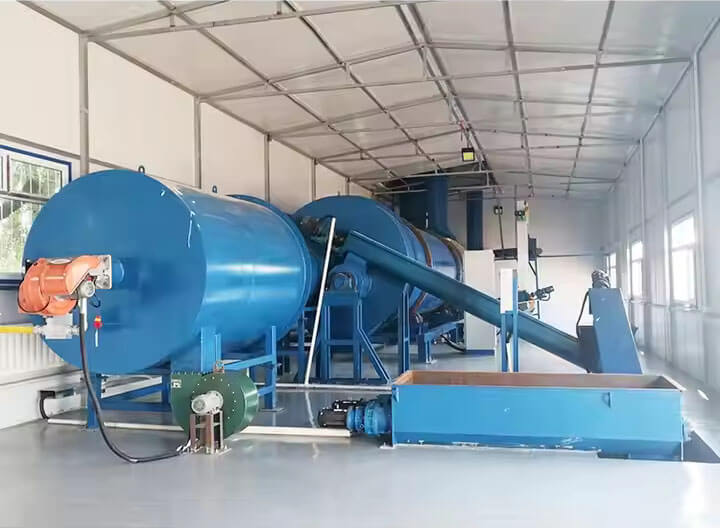
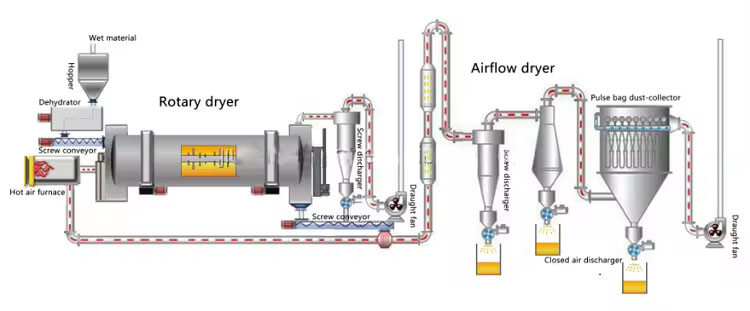
The Paddle Rotary Drying Plant adopts indirect conduction low-temperature drying principle. Heat medium such as steam or thermal oil circulates in the hollow dual-shaft and wedge-shaped paddles, making the paddle surface and jacket cylinder wall form a high-temperature constant heat source. After viscous wet materials enter the sealed cylinder, they are continuously stirred, sheared, flipped and pushed forward by the rotating paddles.
Materials fully contact with the high-temperature paddle surface and cylinder wall to complete uniform heat conduction and moisture evaporation. The unique paddle stirring effect effectively breaks material agglomeration, avoiding internal wet and external dry phenomenon. Water vapor is discharged through the dehumidification system, and dried materials are stably discharged from the adjustable outlet. The whole process realizes low-energy, low-dust and high-precision continuous drying of viscous materials.
Standard Production Flow
Viscous Wet Material Feeding → Variable-Frequency Quantitative Feeding → Enclosed Paddle Stirring & Heat Conduction → Continuous Material Breaking & Dehydration → Water Vapor Discharge & Purification → Constant-Temp Drying Shaping → Dry Material Discharging → Resource Recycling / harmless Disposal
Application Scenarios of Paddle Rotary Drying Plant
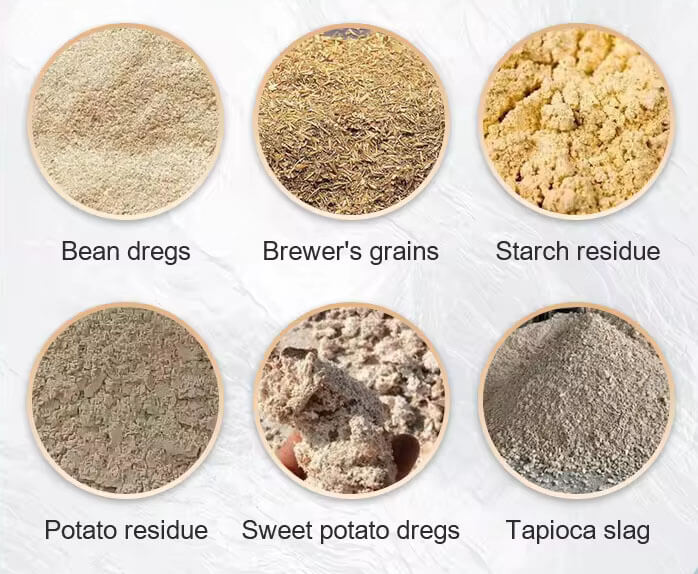
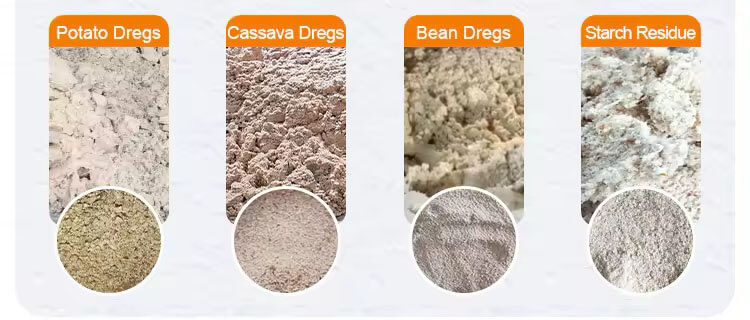
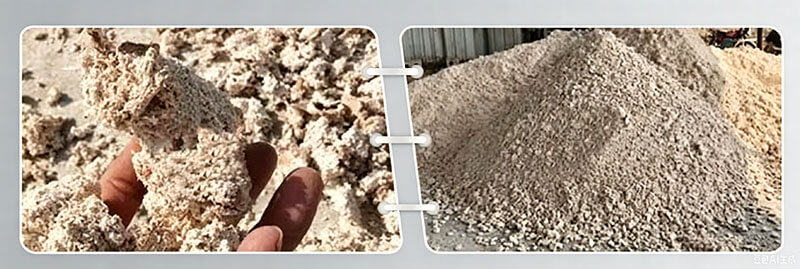
This Paddle Rotary Drying Plant is specially designed for high-viscosity, easy-agglomeration and heat-sensitive materials, and is widely used in multiple industrial fields. It is suitable for municipal sludge, industrial wastewater sludge, chemical filter cake, food processing paste residues, pharmaceutical waste residues, agricultural organic slurry and other materials. It can complete harmless dehydration, volume reduction and resource recycling, and is the core energy-saving drying equipment for environmental protection, chemical, food and agricultural processing enterprises.
Core Application Fields: Municipal sludge treatment, industrial solid waste disposal, chemical paste drying, food & pharmaceutical residue processing, agricultural organic waste recycling, high-viscosity material dehydration
Real Project Cases of Paddle Rotary Drying Plant
Case 1: 30㎡ Sludge Paddle Drying Project | Germany Environmental Protection Factory
Project Info: The customer needs low-energy and dust-free sludge drying equipment to meet EU environmental standards. Our paddle rotary drying plant adopts indirect conduction heating with 90%+ thermal efficiency, greatly reducing operating energy consumption. The fully enclosed structure realizes zero dust and odor overflow, helping the project pass strict environmental assessment successfully.
Case 2: 20㎡ Food Filter Cake Drying Line | Indonesia Food Processing Plant
Project Info: The customer’s food filter cake is viscous and heat-sensitive, easy to deteriorate and discolor at high temperature. Our low-temperature paddle drying technology retains the original material properties without nutrient loss. The automatic continuous operation improves production efficiency and creates stable economic benefits for the enterprise.
Case 3: 50㎡ Large Industrial Paddle Drying Plant | Vietnam Chemical Industrial Park
Project Info: The customer needs to process a large amount of chemical viscous paste materials all year round. Traditional dryers are easy to block and consume high energy. Our paddle rotary dryer solves material agglomeration and wall sticking problems thoroughly, with stable 24-hour high-load operation and low failure rate, meeting large-scale industrial production needs.
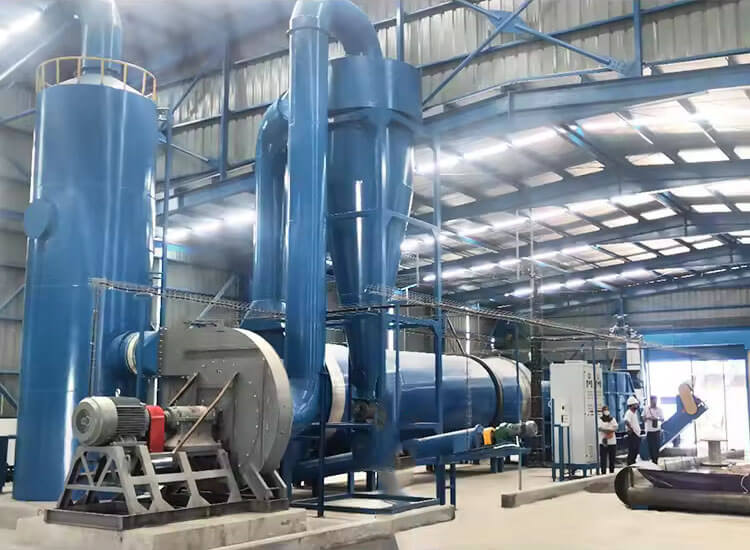
Technical Parameters of Paddle Rotary Drying Plant
|
Item
|
Specification
|
|
Equipment Model
|
PRD-10 / PRD-20 / PRD-30 / PRD-50 (Paddle Rotary Special)
|
|
Effective Drying Area
|
10㎡ / 20㎡ / 30㎡ / 50㎡
|
|
Hourly Evaporation Capacity
|
150kg/h / 300kg/h / 500kg/h / 800kg/h
|
|
Applicable Material Moisture
|
60% – 90% (Viscous paste, sludge, filter cake)
|
|
Finished Material Moisture
|
5% – 30% Adjustable
|
|
Heating Mode
|
Indirect conduction heating (Steam, thermal oil, hot water)
|
|
Thermal Efficiency
|
≥90%
|
|
Operation Mode
|
24h full-automatic continuous operation
|
|
Control System
|
Intelligent PLC constant temperature control
|
|
Operation Environment
|
Fully enclosed, dust-free, low noise
|
|
Core Advantage
|
Energy-saving, anti-caking, low-temp drying, environmental friendly
|
| Model | Input (t/h) | Output (t/h) | Initial Moisture (%) | Final Moisture (%) | Drying Temperature (℃) | Total Power (kw) | Total Weight (kg) | Plant Area (m²) |
| JG1208 | 1.82 | 1.07 | 50±5% | 15% (Adjustable) | 350±30 | 32 | 15000 | 5m*15m |
| JG1408 | 2.18 | 1.28 | 40 | 17000 | 5m*15m | |||
| JG1610 | 3.15 | 1.85 | 55 | 21500 | 6m*16m | |||
| JG2010 | 3.81 | 2.24 | 95 | 26500 | 8m*18m | |||
| JG2010/3 | 4.76 | 2.8 | 95 | 26500 | 8m*20m | |||
| JG2210/3 | 5.51 | 3.24 | 100 | 28500 | 8m*20m | |||
| JG2510/3 | 6.33 | 3.72 | 125 | 37000 | 10m*20m | |||
| JG2512/3 | 7.6 | 4.47 | 145 | 41000 | 10m*22m |
Get Custom Viscous & Agglomerated Materials Drying Solution
Our Paddle Rotary Drying Plant breaks through the shortcomings of traditional drying equipment such as high energy consumption, serious dust and inability to adapt to viscous materials. With indirect high-efficiency conduction heating, low-temperature non-destructive drying, anti-caking stirring design and fully enclosed environmental protection advantages, it provides professional low-energy and high-precision drying solutions for global industrial sludge, paste residues and heat-sensitive materials, helping enterprises reduce costs and improve resource utilization efficiency.
Contact us now to get free model selection, customized process design and accurate project quotation!
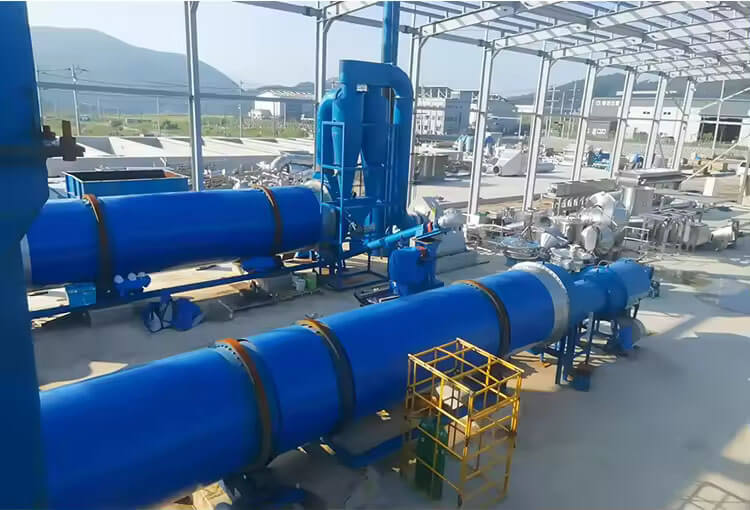
FAQs of Paddle Rotary Drying Plant
Q1: What is the difference between paddle rotary dryer and traditional rotary dryer?
A: Traditional dryers rely on hot air convection with low thermal efficiency and serious dust. Paddle dryers adopt indirect conduction heating, with 90%+ thermal efficiency, energy-saving and dust-free. More importantly, the stirring paddle can break viscous materials, which is irreplaceable for sludge and paste materials.
Q2: Can this dryer handle sticky and caking materials?
A: Absolutely yes. The unique wedge-shaped rotary paddles have strong shearing and stirring force, which continuously breaks up agglomerated and sticky materials during operation, completely solving wall sticking and uneven drying problems of viscous materials.
Q3: Is the drying process harmful to heat-sensitive materials?
A: No. The equipment adopts uniform low-temperature conduction drying without local high temperature. The mild heating mode avoids material scorching, decomposition and discoloration, fully protecting the physical and chemical properties of heat-sensitive materials.
Q4: What heat sources are available for the paddle drying plant?
A: It supports multiple heat sources including steam, thermal oil and hot water. Customers can choose according to local energy conditions to minimize operating costs, with strong adaptability.
Q5: Does the equipment produce dust and odor pollution?
A: No. The fully sealed micro-negative pressure structure prevents dust and odor overflow. Equipped with tail gas purification system, the whole process is clean and environmentally friendly, meeting global industrial environmental protection standards.