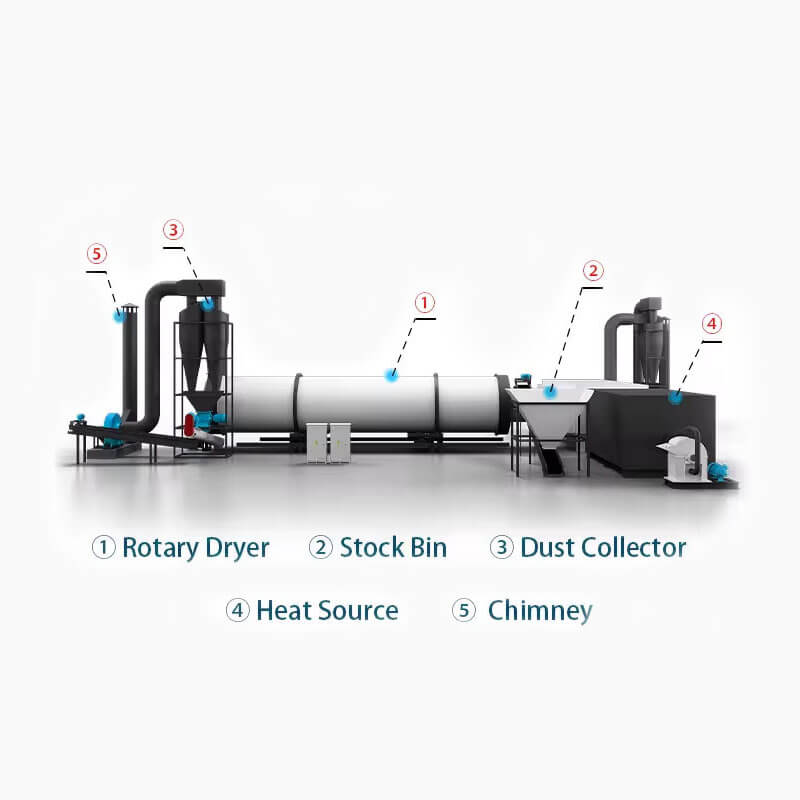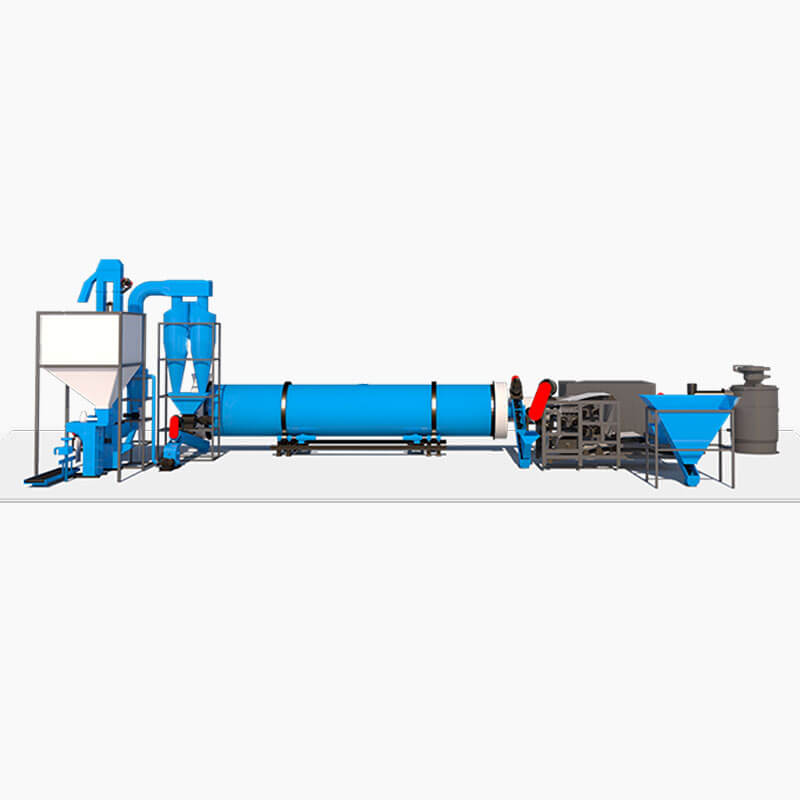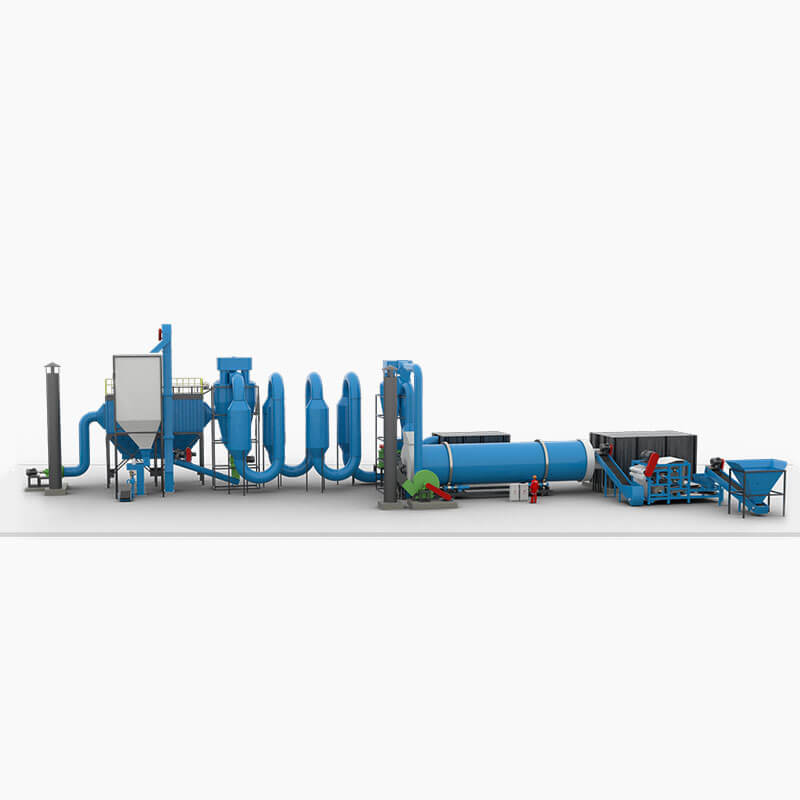
Sugar Beet Pulp Drying Plant
Full-Auto Turnkey Anti-Saccharification Drying Line for High-Sugar Beet Residue Recycling
Sugar Beet Pulp Drying Plant is a professional turnkey industrial drying production line customized for high-sugar, high-viscosity sugar beet pulp, the main by-product of sugar beet processing factories.This plant adopts special anti-stick dispersion structure and low-temperature gradient anti-saccharification drying technology, reducing 75%-85% ultra-high moisture to commercial 10%-12%.
Anti-Saccharification
Zero Wall-Sticking
Energy-Saving
What is Sugar Beet Pulp Drying Plant?
Sugar beet pulp is a major by-product produced during sugar extraction from sugar beets. A large amount of wet beet residue is discharged every day from sugar factories, with ultra-high moisture of 75%-85% and rich residual sugar, cellulose and pectin. It is a high-value raw material for ruminant animal feed, widely loved by cattle, sheep and other livestock for its good palatability and high nutritional value.
Due to its high residual sugar and strong hygroscopicity, fresh wet sugar beet pulp is extremely prone to acidification, mildew and secondary fermentation if not processed in time, causing serious resource waste and environmental pollution. Traditional drying lines adopt high-temperature rapid drying, which easily leads to sugar saccharification, caramelization, material wall-sticking caking and nutrient loss, greatly reducing feed grade and economic value. Our dedicated Sugar Beet Pulp Drying Plant adopts targeted low-temperature anti-saccharification process and anti-stick dispersion design, perfectly adapting to the physical and chemical characteristics of high-sugar beet pulp, realizing large-scale, stable and high-value drying production.
Contents
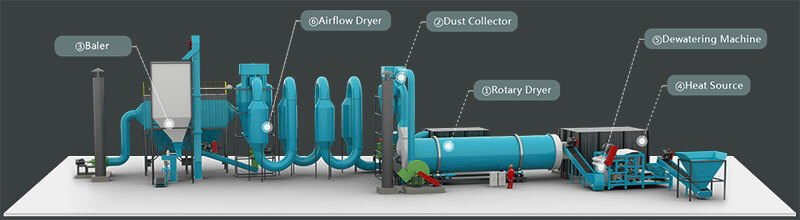
Complete Equipment Composition of Sugar Beet Pulp Drying Plant
1. Special Anti-Stick & Anti-Saccharification Drying Host (Core)
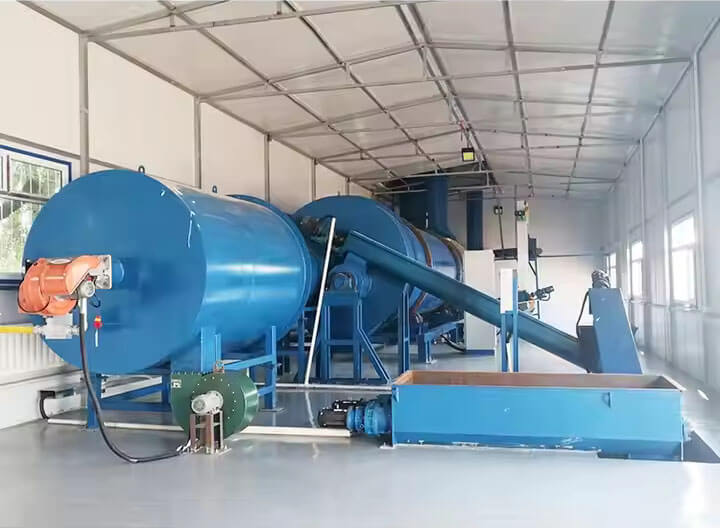
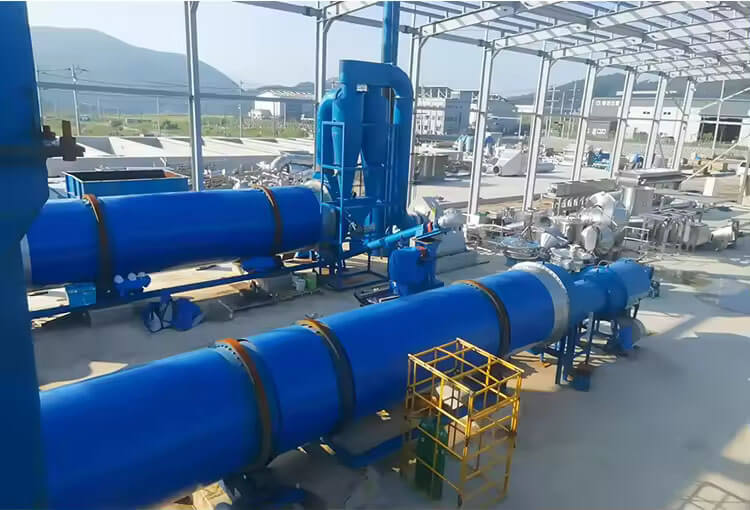
The core drying host is upgraded and customized for high-sugar beet pulp, adopting optimized 3-pass nested energy-saving structure and sugar-residue-specific anti-stick lining. Equipped with segmented flexible dispersion lifting plates and real-time scraping devices, it continuously combs and scatters sticky beet pulp during operation, completely eliminating wall sticking, accumulation and high-temperature caking. The segmented temperature control zone avoids local overheating, effectively preventing sugar saccharification and caramelization, and retaining complete nutritional ingredients and natural sweetness of beet pulp.
2. High-Viscosity Beet Pulp Pre-Breaking Dispersion System
Aiming at the agglomeration and stacking problems of wet high-sugar beet pulp, the supporting pre-breaking feeder crushes large sticky clusters in advance, disperses condensed materials into loose uniform state, and realizes quantitative stable feeding. It solves common problems such as material bridging, intermittent feeding and uneven hot air contact, ensuring each batch of beet pulp is heated uniformly and laying a foundation for anti-saccharification and uniform drying.
3. Intelligent Low-Temp Gradient Anti-Sugar-Loss Drying System
Abandons the traditional high-temperature drying process that causes sugar decomposition and caramelization, and adopts three-stage gradient mild drying exclusive for high-sugar materials: low-temperature pre-dehumidification to reduce surface viscosity and stabilize sugar components, medium-temperature uniform deep dehydration to remove internal moisture, and low-temperature cooling shaping to lock natural sweetness. The whole process strictly controls the safe temperature range for sugar retention, maximizing residual sugar and nutrient retention rate.
4. Closed Waste Heat Recovery & Dust Environmental Protection System
The whole plant adopts micro-negative pressure fully sealed operation, equipped with circulating waste heat recovery device and high-efficiency pulse dust removal equipment. The waste hot air is recycled for secondary heating, reducing comprehensive energy consumption by more than 40%. The professional fine fiber and sugar powder recovery system achieves a material recovery rate of 99.6%, realizing zero material loss and zero dust overflow, fully meeting international environmental protection standards for sugar factory production.
5. Sugar Residue Dedicated PLC Intelligent Control System
The industrial intelligent control system is independently programmed for beet pulp drying, supporting automatic matching of temperature, drum speed and air volume according to material moisture and sugar content. It has exclusive over-temperature anti-caramelization protection, overload protection and fault self-alarm functions. It realizes 24-hour unmanned continuous operation, ensuring consistent sweetness, color and moisture of finished beet pulp in each batch.
Core Product Advantages of Sugar Beet Pulp Drying Plant
1. Exclusive Anti-Saccharification & Anti-Caramelization Tech
Different from ordinary residue drying lines, this plant focuses on high-sugar material protection. The staged low-temperature gradient drying process completely avoids sugar decomposition, saccharification and caramelization caused by local overheating. The finished beet pulp retains natural sweet flavor, no yellowing, burnt spots or peculiar smell, with higher feed palatability and market value.
2. Zero Wall-Sticking & Continuous Stable Production
The customized anti-stick lining + real-time scraping dispersion structure + pre-breaking feeding system form a three-layer anti-blockage protection. It fundamentally solves the industry pain points of high-viscosity beet pulp wall sticking, agglomeration and blockage. No frequent shutdown cleaning is required, and the continuous operation efficiency is increased by more than 35% compared with traditional lines.
3. Ultra Energy-Saving & Low Operation Cost
The 3-pass nested heat preservation structure reduces heat dissipation loss, and the matched waste heat circulating recovery system improves thermal utilization rate by more than 40%. It supports multiple clean heat sources such as natural gas, biomass and electric heating, effectively reducing long-term fuel and power consumption. The equipment has low failure rate and simple daily maintenance, greatly lowering overall production costs.
4. High Nutrient Retention & Premium Feed Grade
The mild low-temperature drying process retains residual sugar, crude fiber, pectin and trace nutrients to the greatest extent. The dried beet pulp is loose and uniform with natural sweetness, which can significantly improve livestock feed intake and digestion rate. The product quality fully meets international high-grade ruminant feed standards.
5. Stable Moisture & Long Storage Life
Precise intelligent constant-temperature control realizes uniform internal and external dehydration of beet pulp. The finished moisture is stably controlled at 10%-12% adjustable range. It effectively prevents secondary fermentation, sugar crystallization, mildew and deterioration during long-term storage and transportation, extending the shelf life of finished products.
6. Professional Turnkey Solution for Sugar Factories
The integrated full-line design covers feeding, dispersion, drying, dust removal and intelligent control, providing one-stop turnkey services including plant design, manufacturing, installation and commissioning. The modular structure is easy to install and debug, helping sugar factories quickly realize waste residue recycling and profit improvement.
Working Principle & Production Process of Sugar Beet Pulp Drying Plant
Working Principle
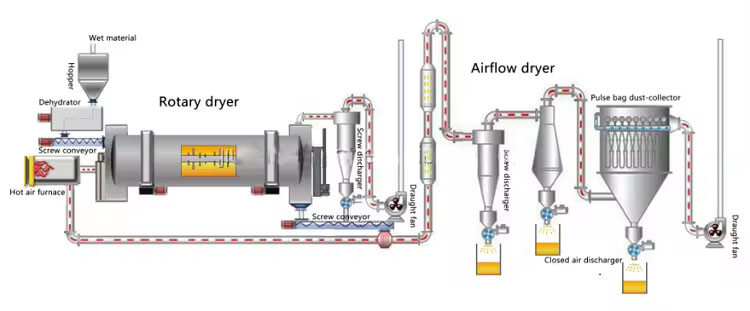
The Sugar Beet Pulp Drying Plant adopts exclusive low-temperature anti-saccharification drying principle for high-sugar and high-viscosity beet residue. Fresh wet sugar beet pulp with 75%-85% moisture is sent to the pre-breaking dispersion system to crush sticky clusters, disperse accumulated materials and eliminate bridging phenomenon, ensuring uniform feeding.
Materials stably enter the special anti-stick 3-pass drying drum. With the slow rotation of the drum, the flexible scraping and dispersion plates continuously flip and scatter beet pulp to avoid wall sticking and local accumulation. Through three-stage gradient low-temperature drying (pre-dehumidification, deep dehydration, cooling shaping), the circulating mild hot air gradually evaporates excess moisture without damaging sugar and nutritional components. After waste heat recovery and dust purification, loose, sweet and high-quality feed-grade dried beet pulp is discharged stably.
Standard Production Flow
Wet Sugar Beet Pulp Feeding → Pre-Breaking Anti-Caking Dispersion → Uniform Quantitative Feeding → Anti-Stick Continuous Drying → Low-Temp Anti-Saccharification Dehydration → Waste Heat Recovery & Dust Purification → Constant-Temp Shaping → Dry Beet Pulp Discharging → Ruminant Feed Processing / Commercial Feed Sales
Application Scenarios of Sugar Beet Pulp Drying Plant
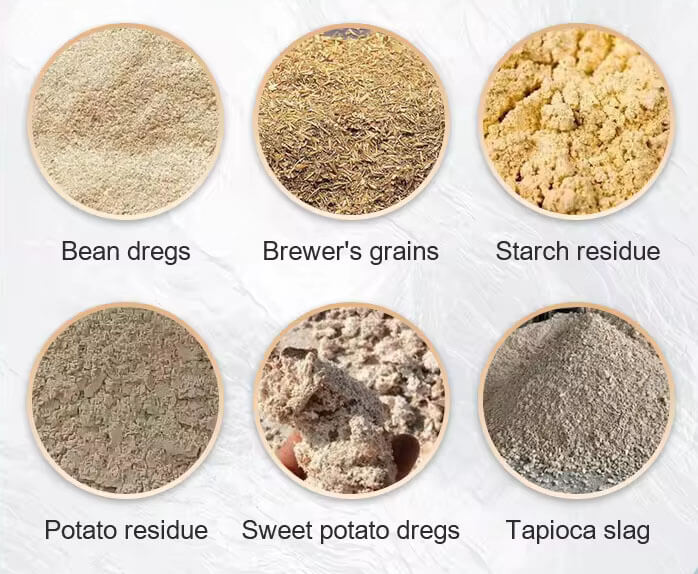
This professional sugar beet pulp drying turnkey plant is specially designed for waste residue recycling of sugar beet processing factories. It solves the pain points of fresh beet pulp’s high moisture, easy mildew, sugar loss and difficult storage. The dried beet pulp retains natural sweetness and rich nutrients, with good palatability, being the core high-quality raw material for cattle, sheep and other ruminant livestock feed. It is widely used in large sugar factory waste recycling, professional feed factory raw material processing, and agricultural circular economy projects, helping enterprises turn waste sugar residue into high-profit feed products.
Core Application Fields: Sugar beet factory waste residue recycling, ruminant livestock feed production, high-grade compound feed processing, agricultural circular economy projects, commercial beet pulp commodity production
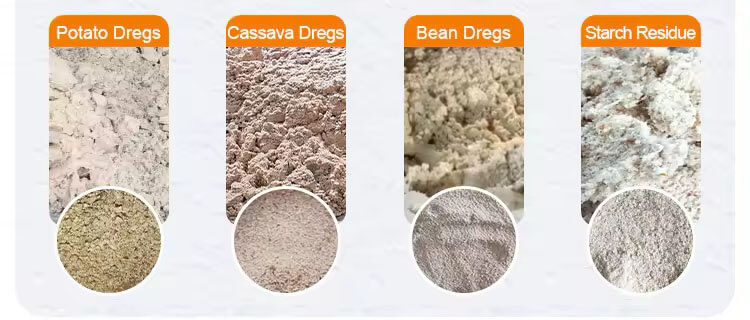
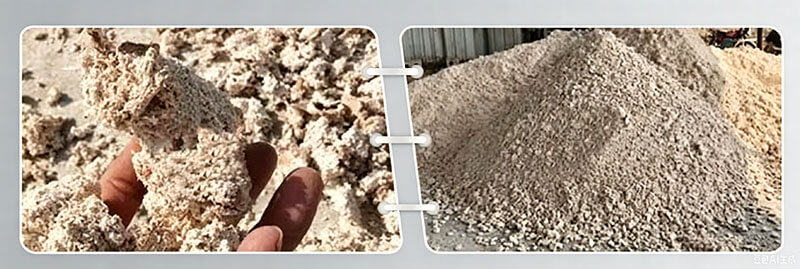
Real Project Cases of Sugar Beet Pulp Drying Plant
Case 1: 12T/H High-Grade Beet Pulp Drying Plant | Russia Sugar Factory
Project Info: The customer is a large local sugar beet processing enterprise, troubled by traditional drying equipment’s serious sugar loss and material caking. Our anti-saccharification drying plant adopts low-temperature gradient process, completely solving caramelization and wall-sticking problems. The finished beet pulp retains natural sweetness, meets high-standard feed requirements, and is sold stably in the European feed market.
Case 2: 7T/H Energy-Saving Beet Residue Drying Line | Turkey Agricultural Recycling Plant
Project Info: The customer focuses on sugar residue resource utilization, requiring low energy consumption and zero material waste. Our full-sealed energy-saving drying plant realizes 40% energy saving and 99.6% material recovery rate. The equipment runs stably for 24 hours, and the dried beet pulp becomes a hot-selling local livestock feed raw material.
Case 3: 18T/H Large-Scale Beet Pulp Production Line | Ukraine Sugar Processing Group
Project Info: The customer has large daily output of wet sugar beet pulp, needing high-capacity continuous drying equipment. Our industrial-grade turnkey plant supports long-term high-load operation, with stable finished moisture and consistent quality. It helps the customer realize large-scale waste recycling and form a complete industrial chain of sugar production + feed processing.
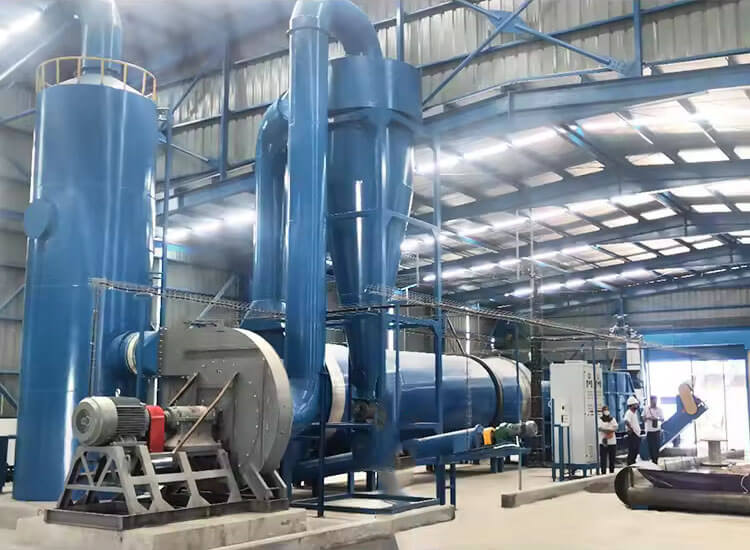
Technical Parameters of Sugar Beet Pulp Drying Plant
| Device Specification | Input Capacity(t/d) | Output(t/d) | Initial Moisture(%) | Final Moisture(%) | Total Power (kw) | Plant Area (m2) |
| NJG1208 | 33.6 | 15.6 | 60±5% | 12-15% (Adjustable) | 32 | 5m*14m |
| NJG1408 | 40.8 | 19.2 | 40 | 5m*14m | ||
| NJG1610 | 58.9 | 27.7 | 55 | 6m*16m | ||
| NJG2010/3 | 131.4 | 61.8 | 95 | 8m*16m | ||
| NJG2210/3 | 145.0 | 68.2 | 100 | 8m*16m | ||
| NJG2510/3 | 167.7 | 78.9 | 125 | 10m*16m | ||
| NJG2512/3 | 204.0 | 96.0 | 145 | 10m*18m | ||
| NJG2912/3 | 247.0 | 116.2 | 165 | 10m*20m |
Get Custom Sugar Beet Pulp Drying Solution
Our professional Sugar Beet Pulp Drying Plant solves the core industry pain points of high-sugar beet residue such as high-temperature saccharification, caramelization, wall sticking caking and sugar loss. With exclusive low-temperature anti-saccharification technology, ultra energy-saving design, full-automatic continuous operation and high nutrient retention advantages, it provides one-stop turnkey recycling solutions for global sugar factories, effectively turning waste beet pulp into high-value livestock feed raw materials and creating considerable additional economic benefits for enterprises.
Contact us now to get free plant layout design, accurate quotation and customized beet pulp drying project solution!
FAQs of Sugar Beet Pulp Drying Plant
Q1: Why is beet pulp drying different from other residue drying?
A: Sugar beet pulp contains a lot of residual sugar, which is extremely easy to saccharify, caramelize and cake at high temperature. Unlike starch residue and fibrous materials, its core drying requirement is sugar and nutrition retention, not only dehydration. Our exclusive anti-saccharification process is tailor-made for this feature.
Q2: What problems will traditional beet pulp dryers cause?
A: Traditional high-temperature drying leads to sugar decomposition and caramelization, causing yellowing, burnt smell and poor palatability. In addition, high viscosity causes serious wall sticking and frequent shutdown cleaning, resulting in serious material waste and low production efficiency.
Q3: How to prevent beet pulp from caking and sugar loss?
A: Adopt three core technologies: pre-breaking dispersion to eliminate agglomeration, special anti-stick structure to prevent wall sticking, and low-temperature gradient drying to avoid sugar high-temperature damage. The whole process ensures no caking, no sugar loss and no quality deterioration.
Q4: What is the best moisture for commercial dried beet pulp?
A: The international commercial feed standard moisture for sugar beet pulp is 10%-12%. This range avoids sugar crystallization, mildew and secondary fermentation during storage, maintaining optimal sweetness and nutritional value.
Q5: Is this drying plant environmentally friendly?
A: Yes. Full closed negative pressure operation prevents dust overflow. The waste heat recovery system reduces energy consumption and carbon emissions. The high-efficiency dust recovery system realizes zero material waste, fully complying with global sugar factory environmental protection regulations.