Dolomite Rotary Kiln
Industrial Segmented Calcination Rotary Kiln for High-Activity Burnt Dolomite & Dolomitic Lime Production
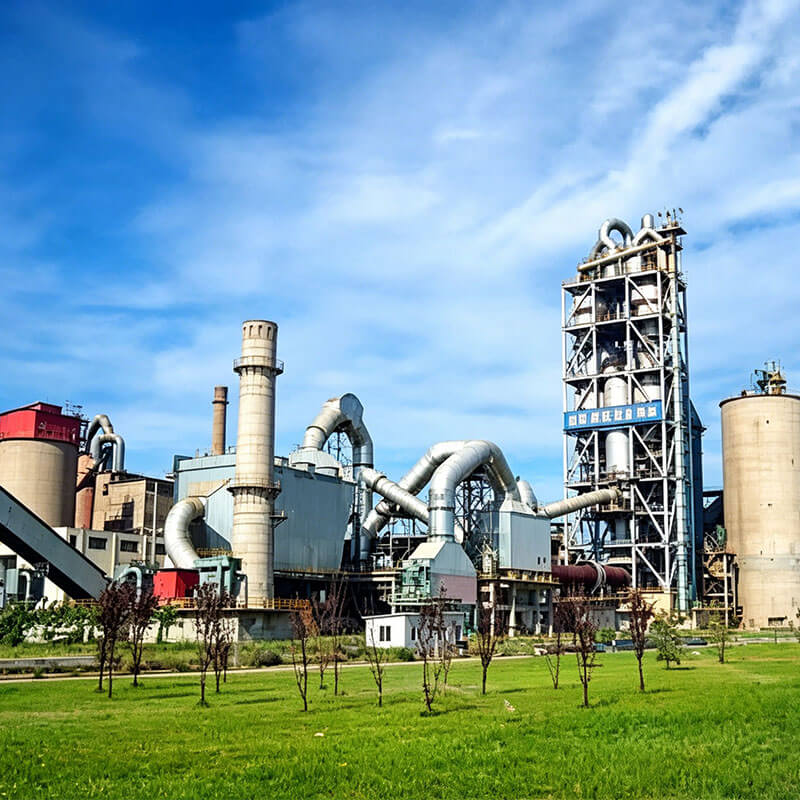
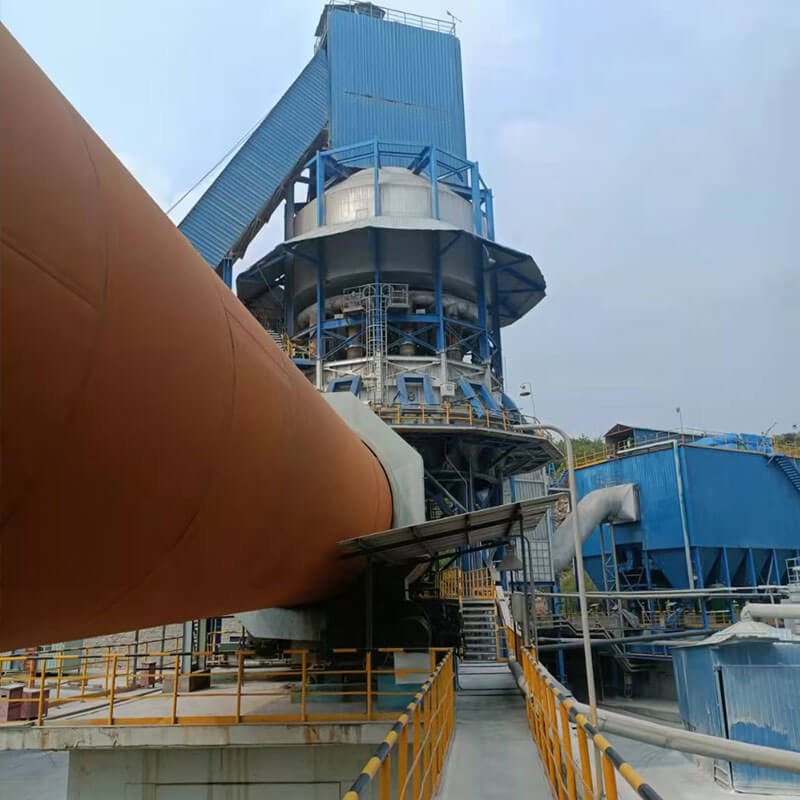
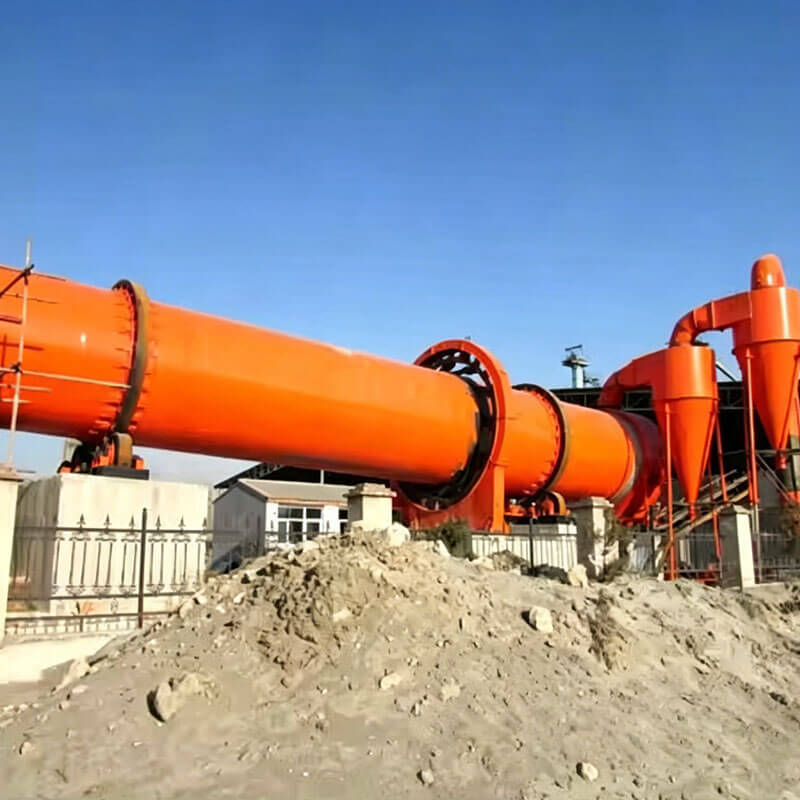
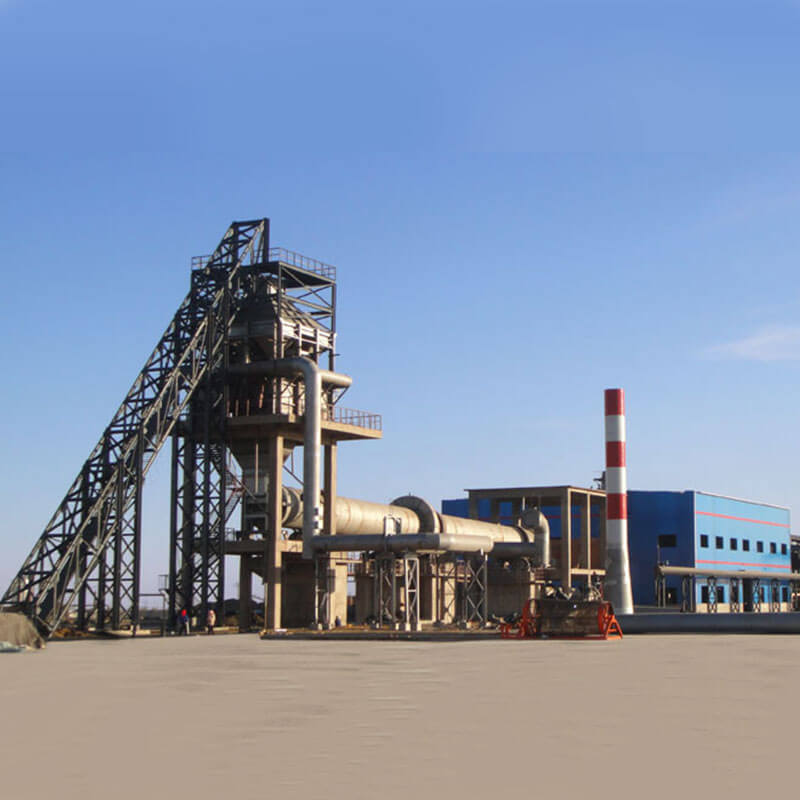
Dolomite Rotary Kiln is a professional thermal processing equipment specially optimized for dolomite mineral calcination. It stably produces high-activity burnt dolomite and dolomitic lime with low under-burning and over-burning rate, widely used in steelmaking flux, refractory materials, building materials and magnesium chemical industries.
High Activity
Continuous
Stable Quality
What is Dolomite Rotary Kiln?
Natural dolomite ore contains double carbonate components of magnesium and calcium, which requires strict staged temperature control for complete decomposition. Traditional ordinary rotary kilns adopt single temperature field heating, which cannot match the two-stage decomposition characteristics of dolomite. Low temperature leads to incomplete carbonate decomposition and low product activity; excessive temperature causes crystal grain growth, deactivation and serious over-burning waste. Meanwhile, traditional equipment has high heat loss, unstable sintering quality and low resource utilization rate, restricting the economic value of dolomite deep processing.
Our High-Precision Dolomite Rotary Kiln solves the industry pain points through targeted structural and temperature system optimization. It realizes precise temperature control for each reaction stage of dolomite: low-temperature moisture removal, medium-temperature carbonate decomposition, and high-temperature constant-temperature sintering. The whole calcination process fully activates calcium and magnesium components, producing high-purity and high-activity burnt dolomite. Equipped with an efficient waste heat recovery system, it greatly reduces fuel consumption, ensuring stable batch quality and high-efficiency energy-saving production.
Contents
Core Structural Composition & Functional Advantages of Dolomite Rotary Kiln
1. Zoned Temperature-Resistant Kiln Shell & Refractory Lining
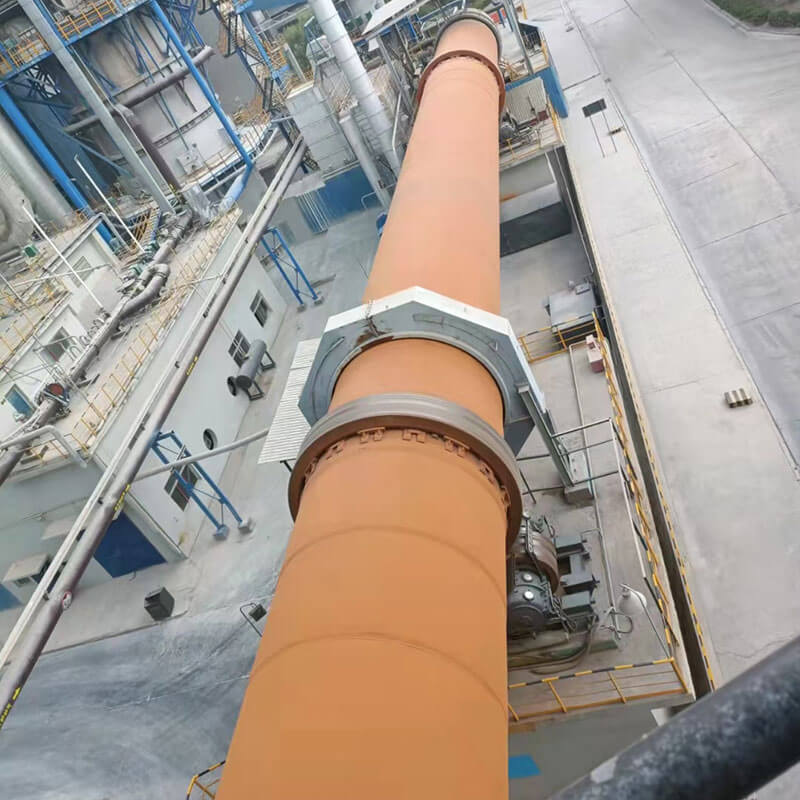
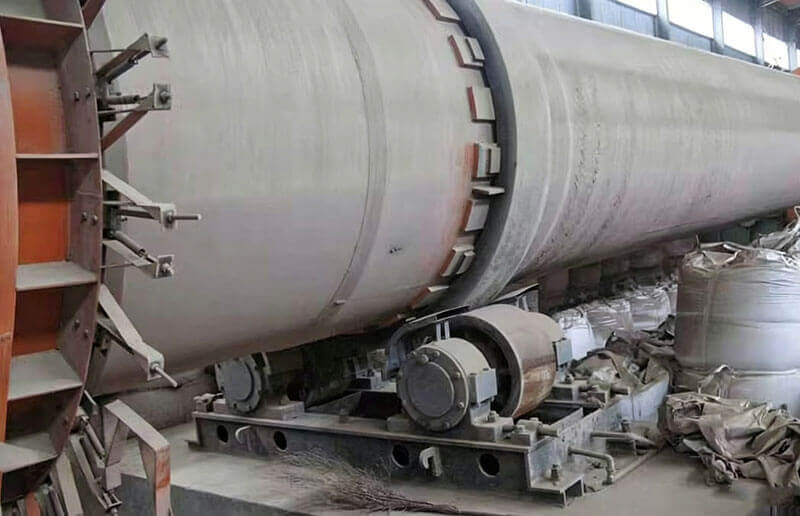
The kiln body adopts thickened high-strength steel plate integral welding structure with strong structural rigidity and high-temperature deformation resistance. The inner wall is paved with zoned customized refractory bricks and heat insulation layers, adapting to different temperature requirements of preheating, decomposition and sintering zones. It effectively reduces heat loss, stabilizes regional temperature fields, and avoids quality fluctuation caused by uneven heating.
2. Intelligent Segmented PLC Temperature Control System
Exclusive multi-zone independent temperature adjustment module, realizing precise temperature locking for each functional section. The sintering zone is stably controlled at 1100-1250℃, perfectly matching the optimal decomposition temperature of dolomite. It thoroughly solves the common problems of incomplete decomposition under low temperature and activity attenuation under high temperature of traditional kilns.
3. High-Efficiency Multi-Fuel Combustion System
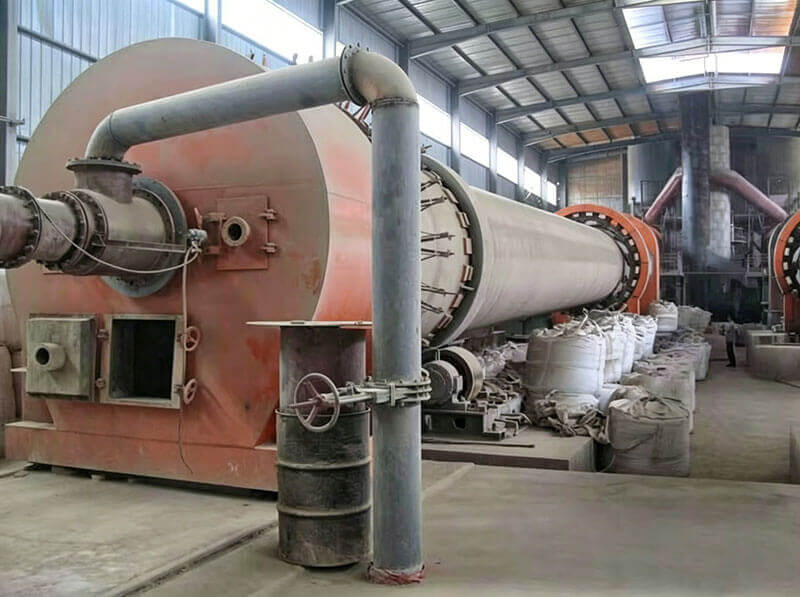
Supports coal powder, natural gas, diesel and other flexible fuel methods. The adjustable flame burner optimizes combustion rhythm and heat radiation range, realizing full fuel combustion and uniform heat distribution. It effectively improves thermal efficiency and avoids local overheating or insufficient heating of materials.
4. Complete Waste Heat Recovery & Reuse Device
Equipped with professional flue gas waste heat recovery system. The high-temperature hot air generated by product cooling is recycled to the kiln for auxiliary combustion, and flue gas waste heat is used for raw material preheating. The comprehensive energy-saving rate is over 25%, greatly reducing long-term fuel and power consumption costs.
5. High-Tightness Sealing & Environmental Protection Dust Removal
Kiln head and kiln tail adopt multi-layer flexible sealing structure to block cold air infiltration and high-temperature flue gas leakage. Matched with pulse dust removal equipment, it realizes low dust emission during production, fully meeting international environmental protection standards and avoiding raw material loss.
6. Stable Heavy-Duty Transmission & Support System
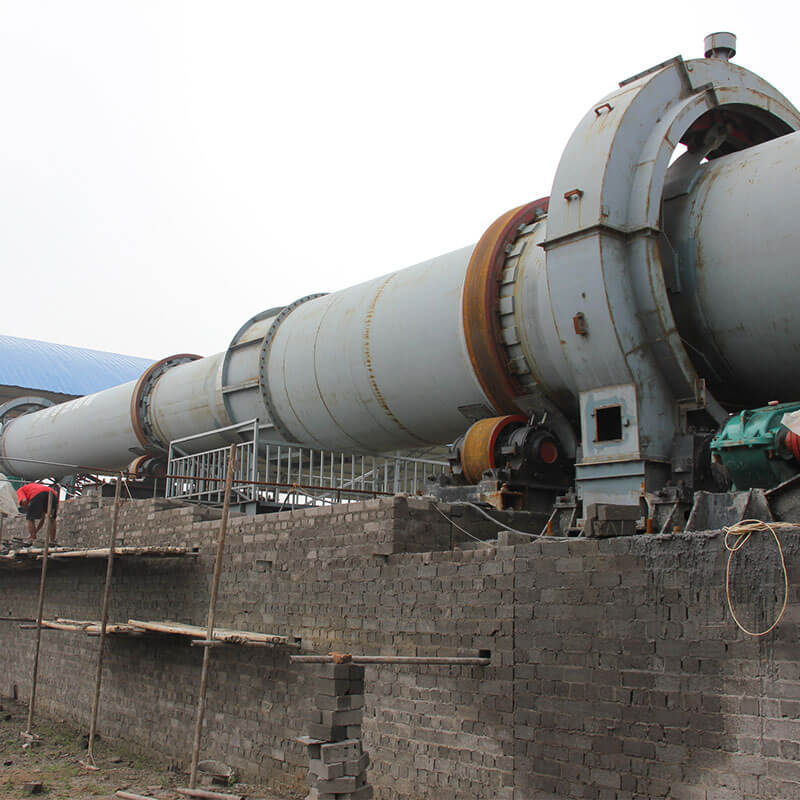
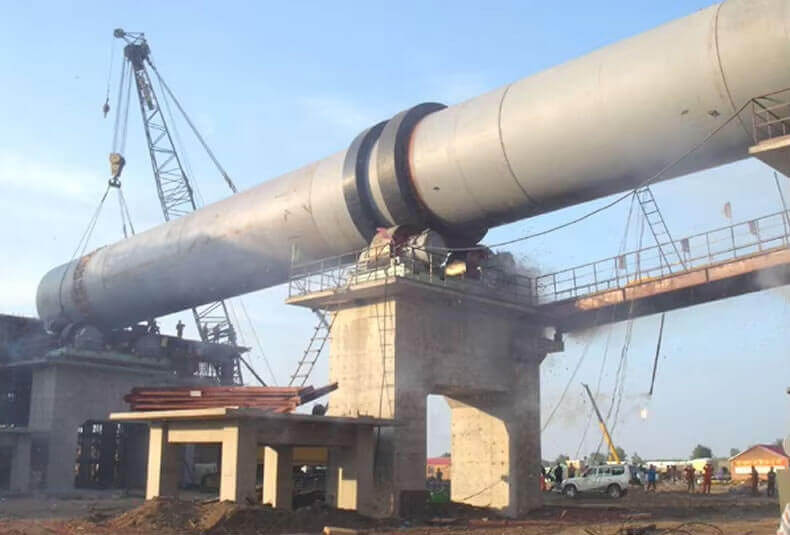
Adopts high-torque variable frequency motor and precision reducer, with stepless adjustable rotating speed to adapt to different raw material particle sizes and output requirements. Multi-group reinforced supporting rollers and hydraulic deviation correction devices ensure long-term stable operation of the kiln body without jitter or displacement, with low failure rate and easy maintenance.

Core Product Advantages of Dolomite Rotary Kiln
1. Low Under/Over-Burning Rate & High Product Activity
The three-stage zoned temperature control technology accurately fits the two-step chemical decomposition characteristics of dolomite. The materials are fully decomposed and uniformly sintered, with under-burning rate and over-burning rate controlled below 1%. The produced burnt dolomite has high calcium-magnesia activity, stable chemical properties and excellent metallurgical and refractory performance.
2. Professional Dolomite Calcination & Strong Targeted Performance
Different from universal rotary kilns for cement and bauxite, this kiln is professionally optimized for dolomite mineral phase transformation. The temperature curve, material advancing speed and heat exchange mode are all customized for dolomite calcination, avoiding the defects of poor adaptability and unstable quality of ordinary kilns.
3. Efficient Waste Heat Recovery & Significant Energy Saving
The closed-loop waste heat recycling system realizes secondary utilization of waste heat resources. Compared with traditional dolomite sintering equipment, it effectively reduces unit fuel consumption, lowers production energy consumption, and greatly improves the economic benefits of dolomite deep processing projects.
4. Continuous Large-Capacity & Stable Batch Quality
The rotary continuous operation mode realizes uninterrupted feeding, sintering and discharging. The automated temperature and speed control ensures consistent sintering degree of each batch of materials. It supports large-scale industrial production of high-standard burnt dolomite and dolomitic lime, with high production efficiency and stable product quality.
5. Wide Application & High Product Added Value
The calcined high-activity burnt dolomite can be widely used as steelmaking desulfurization flux, metallurgical auxiliary material, refractory raw material and building material additive. It effectively improves the utilization value of low-grade raw dolomite and creates higher industrial economic benefits.
6. Durable Structure & Low Operation Cost
The whole machine adopts high-temperature resistant, corrosion-resistant and wear-resistant structural configuration, with long service life of refractory lining and vulnerable parts. The equipment has low failure rate, simple daily maintenance and low manual intervention cost, realizing long-term low-cost stable operation.
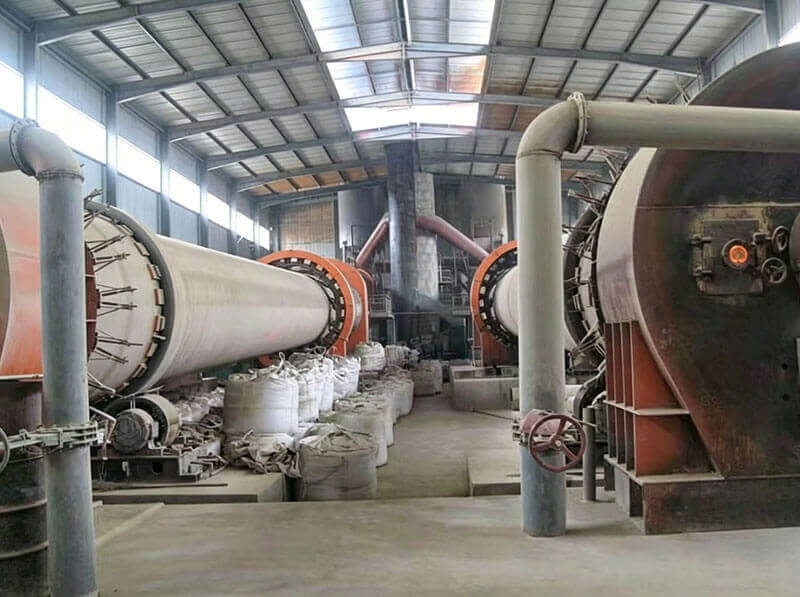
Working Principle & Complete Calcination Process of Dolomite Rotary Kiln
Core Working Principle
The Dolomite Rotary Kiln adopts three-stage segmented countercurrent calcination principle. The inclined rotary cylinder drives dolomite raw materials to move slowly and continuously from the kiln tail to the kiln head. The high-temperature flue gas generated by the kiln head burner flows reversely with materials to form a layered and stable temperature field inside the kiln.
Materials pass through three core functional zones in sequence: 400-600℃ preheating zone to remove free water and surface moisture; 700-900℃ decomposition zone to complete primary decomposition of magnesium carbonate and calcium carbonate; 1100-1250℃ constant-temperature sintering zone to realize full secondary decomposition and crystal stabilization. After staged reaction, dolomite is converted into high-activity CaO and MgO composite burnt dolomite, which is discharged from the kiln head and sent to the cooling system to finish automatic calcination production.
Standard Dolomite Calcination Production Flow
Dolomite Raw Ore Crushing & Screening → Raw Material Homogenization → Preheater Pre-Drying → Dolomite Rotary Kiln Segmented Calcination → High-Efficiency Cooling → Finished Product Grading & Grinding → Packaging & Storage
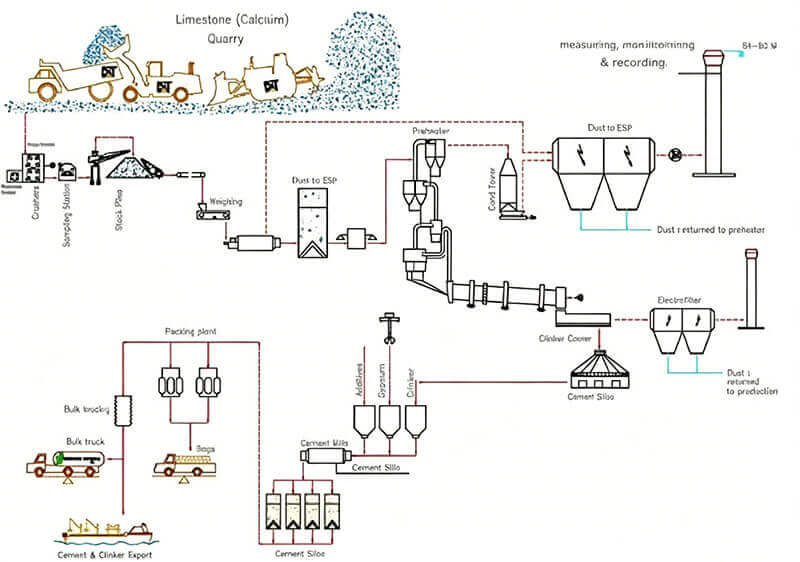
Application Scenarios of Dolomite Rotary Kiln
Main Application Fields
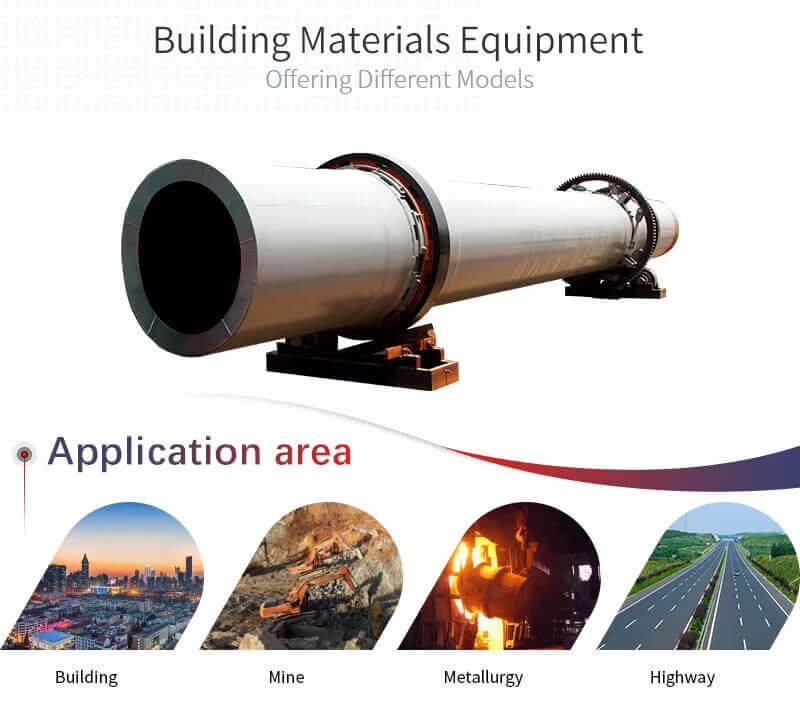
Dolomite Rotary Kiln is dedicated to deep calcination processing of dolomite ore, serving metallurgy, refractory, building materials and chemical industries. It produces high-activity burnt dolomite and dolomitic lime, which can be used as steelmaking desulfurization and slagging flux, high-grade refractory brick raw material, cement expansion agent and magnesium compound production raw material. It is suitable for medium and large-scale dolomite deep processing and mineral upgrading projects worldwide.
Classic Matching Production Line
Raw Dolomite Crushing & Screening → Raw Material Batching & Homogenizing → Preheating Drying → Dolomite Rotary Kiln Staged Calcination → Rapid Cooling → Product Grinding & Grading → Finished Packaging & Storage
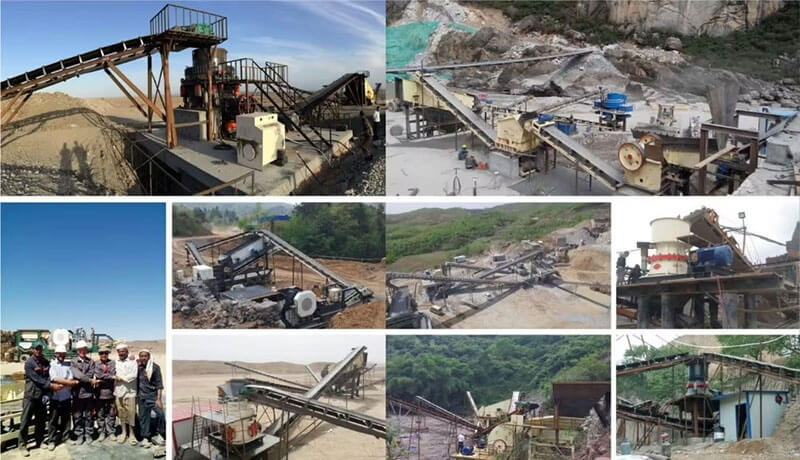
Real Project Cases of Dolomite Rotary Kiln
Case 1: High-Activity Burnt Dolomite for Steelmaking | Turkey Metallurgical Plant
Project Info: The customer needed high-activity burnt dolomite as steelmaking flux, requiring low under-burning rate and stable activity. Our Φ3.2×68m dolomite rotary kiln with zoned temperature control was adopted. The precise 1100-1250℃ constant-temperature sintering ensures full dolomite decomposition. The finished product has high desulfurization activity and stable quality, perfectly meeting steelmaking auxiliary material standards. The waste heat recovery system reduces comprehensive energy consumption by 26%.
Case 2: Refractory Grade Dolomite Production Project | Vietnam Building Material Plant
Project Info: Traditional kilns have uneven sintering, resulting in unqualified refractory grade products. After adopting our professional dolomite rotary kiln, the staged heating process completely removes internal impurities and stabilizes mineral phase. The produced calcined dolomite has uniform texture and excellent refractoriness, fully meeting the production requirements of high-end refractory bricks, and greatly improving product market competitiveness.
Case 3: Large-Scale Dolomitic Lime Processing Project | Bangladesh Chemical Plant
Project Info: The customer’s project requires continuous and stable large-output dolomitic lime supply. Our high-capacity dolomite rotary kiln realizes 24-hour uninterrupted calcination. The automated parameter adjustment adapts to raw material fluctuation, ensuring consistent batch product quality. The energy-saving design effectively reduces long-term production costs and creates stable economic benefits for the project.
Technical Parameters of Dolomite Rotary Kiln
| No. | Model | Capacity (t/h) | Revolving speed(RPM) | Support | Power (KW) | Weight (t) | Remark |
| 1 | Φ1.6×32m | 2 | 0.58-2.85 | 3 | 18.5 | 46.8 | |
| 2 | Φ1.6/1.9×36m | 2.5-3 | 0.53-1.59 | 3 | 22 | 57 | |
| 3 | Φ1.9×39m | 3-3.4 | 0.53-1.59 | 3 | 37 | 71.79 | |
| 4 | Φ2.2×45m | 4-5 | 0.214-1.64 | 3 | 45 | 142.6 | |
| 4 | |||||||
| 5 | Φ2.5×40m | 6.3 | 0.62-1.5 | 3 | 55 | 160 | preheater kiln |
| 7.5 | |||||||
| 6 | Φ2.5×50m | 5-6 | 0.62-1.5 | 3 | 55 | 175 | |
| 7.5 | |||||||
| 7 | Φ2.5×55m | 5-6 | 0.62-1.5 | 3 | 55 | 180 | |
| 7.5 | |||||||
| 8 | Φ2.7×42m | 13 | 0.6-2.3 | 3 | 55 | 190 | preheater kiln |
| 11 | |||||||
| 9 | Φ2.7×44m | 13 | 0.74-2.21 | 3 | 55 | 193 | preheater kiln |
| 11 | |||||||
| 10 | Φ2.8×42m | 14 | 0.5-2.503 | 3 | 55 | 195 | preheater kiln |
| 7.5 | |||||||
| 11 | Φ2.8×43m | 8.3 | 0.62-1.5 | 3 | 75 | 198 | preheater kiln |
| 11 | |||||||
| 12 | Φ2.8×55m | 6-7 | 0.62-1.5 | 3 | 75 | 215.6 | |
| 11 | |||||||
| 13 | Φ3×48m | 700 | 0.67-3.76 | 3 | 110 | 251 | decompose outside |
| 18.5 | |||||||
| 14 | Φ3.0×50m | 9.2 | 0.5-1.5 | 3 | 125 | 255 | preheater kiln |
| 11 | |||||||
| 15 | Φ3×60m | 7-9 | 0.5-1.5 | 3 | 125 | 270 | |
| 11 | |||||||
| 16 | Φ3×88m | 12.5 | 0.444-1.345 | 5 | 110 | wet kiln | |
| 11 | |||||||
| 17 | Φ3×100m | 11-13.5 | 0.47-1.48 | 5 | 90 | wet kiln | |
| 11 | |||||||
| 18 | Φ3.2×48m | 0.788-3.88 | 3 | 125 | |||
| 11 | |||||||
| 19 | Φ3.2×50m | 12.5 | 0.4-1.5 | 3 | 125 | preheater kiln | |
| 22 | |||||||
| 20 | Φ3.2×50m | 12.5 | 0.788-3.938 | 3 | 160 | decompose outside | |
| 15 | |||||||
| 21 | Φ3.2×64m | 8-10 | 0.4-1.5 | 4 | 190 | 337.8 | |
| 22 | |||||||
| 22 | Φ3.2×118m | 17 | 0.292-1.459 | 6 | 110 | wet kiln | |
| 11 | |||||||
| 23 | Φ3.3×50m | 13 | 0.36-3.57 | 3 | 160 | decompose outside | |
| 11 | |||||||
| 24 | Φ3.3×50m | 13 | 0.36-3.57 | 3 | 160 | 288 | preheater kiln |
| 11 | |||||||
| 25 | Φ3.3×52m | 13 | 0.67-3.43 | 3 | 160 | 290 | decompose outside |
| 11 | |||||||
| 26 | Φ3.3×54m | 14 | 0.92-2.74 | 3 | 125 | 292 | preheater kiln |
| 11 | |||||||
| 27 | Φ3.5×54m | 14 | 0.55-3.5 | 3 | 220 | decompose outside | |
| 18.5 | |||||||
| 28 | Φ3.5/3×60m | 14-16 | 0.39-1.95 | 4 | 110 | hollow waste heat | |
| 11 | |||||||
| 29 | Φ3.5×70m | 12-14 | 0.4-1.5 | 4 | 280 | 394.6 | |
| 22 | |||||||
| 30 | Φ3.5×125m | 21.8 | 0.281-1.406 | 5 | 2×90 | wet double drive | |
| 2×11 | |||||||
| 31 | Φ3.5×130m | 22 | 0.439-1.379 | 5 | 2×90 | wet double drive | |
| 2×5.5 | |||||||
| 32 | Φ3.5×145m | 25 | 0.345-1.379 | 6 | 2×90 | wet double drive | |
| 2×5.5 | |||||||
| 33 | Φ3.6×55m | 16.7 | 0.4-1.5 | 3 | 250 | preheater kiln | |
| 22 | |||||||
| 34 | Φ3.6×74m | 20.5 | 0.222-1.666 | 4 | 132 | hollow waste heat | |
| 11 | |||||||
| 35 | Φ3.8×58m | 20.8 | 0.4-1.5 | 3 | 250 | preheater kiln | |
| 22 | |||||||
| 36 | Φ3.95×56m | 0.6-3.3 | 3 | 250 | decompose outside | ||
| 15 | |||||||
| 37 | Φ4.0×60m | 25 | 0.4-1.5 | 3 | 315 | 470 | preheater kiln |
| 30 | |||||||
| 38 | Φ4.0×60m | 25 | 0.58-3.459 | 3 | 250 | 470 | decompose outside |
| 15 | |||||||
| 39 | Φ4×80m | 16-20 | 0.4-1.5 | 4 | 355 | 564.8 | |
| 30 | |||||||
| 40 | Φ4×80m | 29.17 | 0.316-1.582 | 4 | 160 | hollow waste heat | |
| 15 | |||||||
| 41 | Φ4/3.5/4×150m | 30.42 | 0.343-1.714 | 6 | 2×125 | wet double drive | |
| 2×11 | |||||||
| 42 | Φ4×150m | 33.3 | 0.509-1.528 | 6 | 2×125 | wet double drive | |
| 2×11 | |||||||
| 43 | Φ4×150m | 30-34 | 0.402-1.587 | 6 | 280 | wet single drive | |
| 30 | |||||||
| 44 | Φ4.7×72m | 0.35-3.5 | 3 | 550 | decompose outside | ||
Get Custom Dolomite Rotary Kiln Solution
Our Dolomite Rotary Kiln adopts exclusive three-stage segmented calcination technology, perfectly adapting to the physical and chemical characteristics of dolomite ore. With core advantages of precise temperature control, high product activity, energy-saving operation and stable output, it provides reliable core equipment support for global dolomite deep processing projects, helping customers improve product grade and comprehensive economic benefits.
Contact us now for free process design, model selection and accurate turnkey quotation!
FAQs of Dolomite Rotary Kiln
Q1: What is a dolomite rotary kiln used for?
A: Dolomite rotary kiln is professional thermal processing equipment for dolomite ore. It completes staged dehydration, decomposition and high-temperature sintering of raw dolomite to produce high-activity burnt dolomite and dolomitic lime, widely used in metallurgy, steelmaking and refractory industries.
Q2: What is the optimal calcination temperature for dolomite?
A: The core sintering temperature is stably controlled at 1100-1250℃. Low temperature causes incomplete decomposition, while excessive temperature leads to magnesia crystal growth and activity reduction. Our zoned temperature system ensures the best calcination state.
Q3: What is the difference between dolomite rotary kiln and other rotary kilns?
A: Different from cement and bauxite kilns with single temperature field, dolomite rotary kiln adopts exclusive three-stage segmented temperature control, matching the two-step decomposition characteristics of dolomite, with lower over/under-burning rate and higher product activity.
Q4: What are the finished products of dolomite calcination?
A: After calcination, dolomite is converted into high-activity burnt dolomite and dolomitic lime, which can be processed into steelmaking flux, refractory raw materials, cement additives and magnesium chemical raw materials.
Q5: Is dolomite rotary kiln energy-saving?
A: Yes. Equipped with complete waste heat recovery and circulating utilization system, it realizes secondary reuse of waste heat. The comprehensive energy-saving rate is over 25%, with obvious cost-saving effect for long-term continuous production.