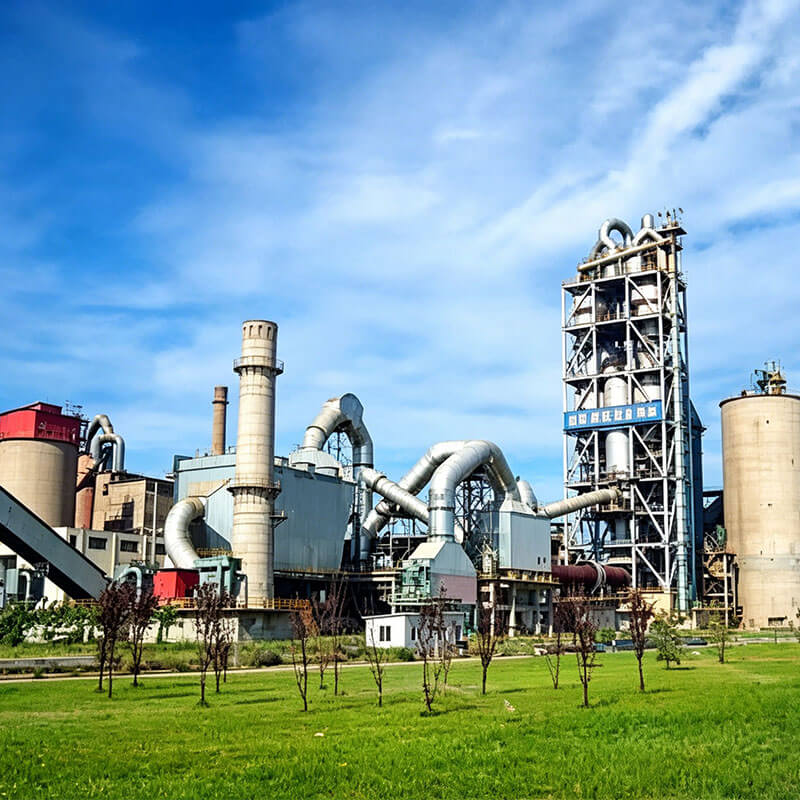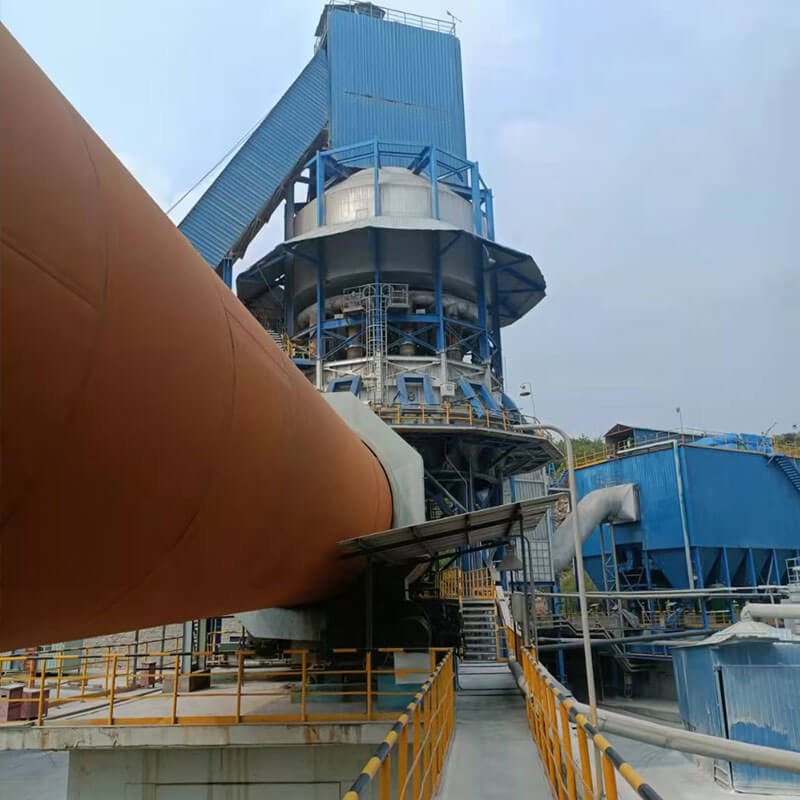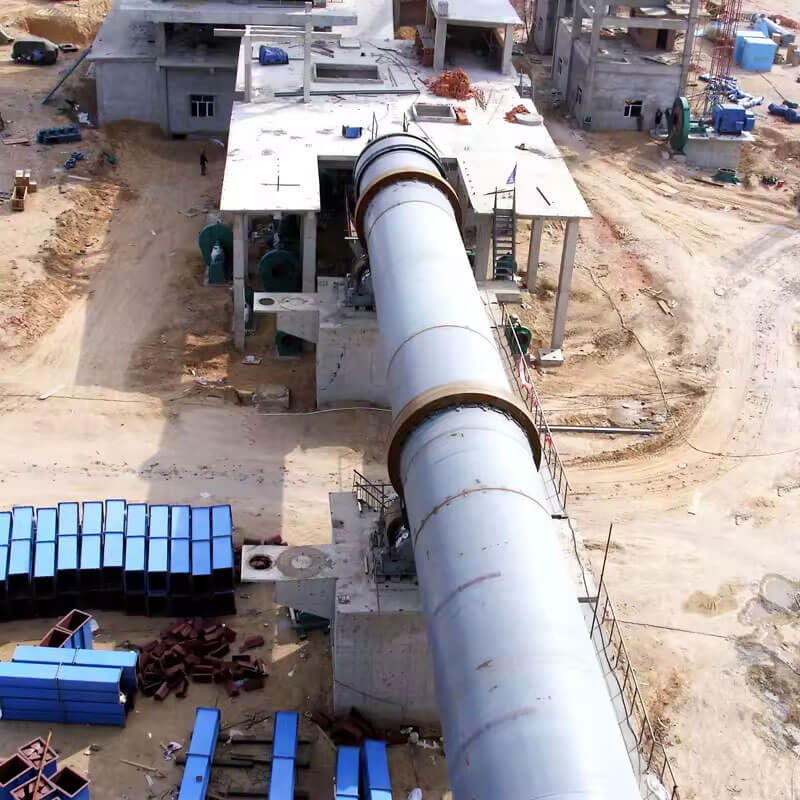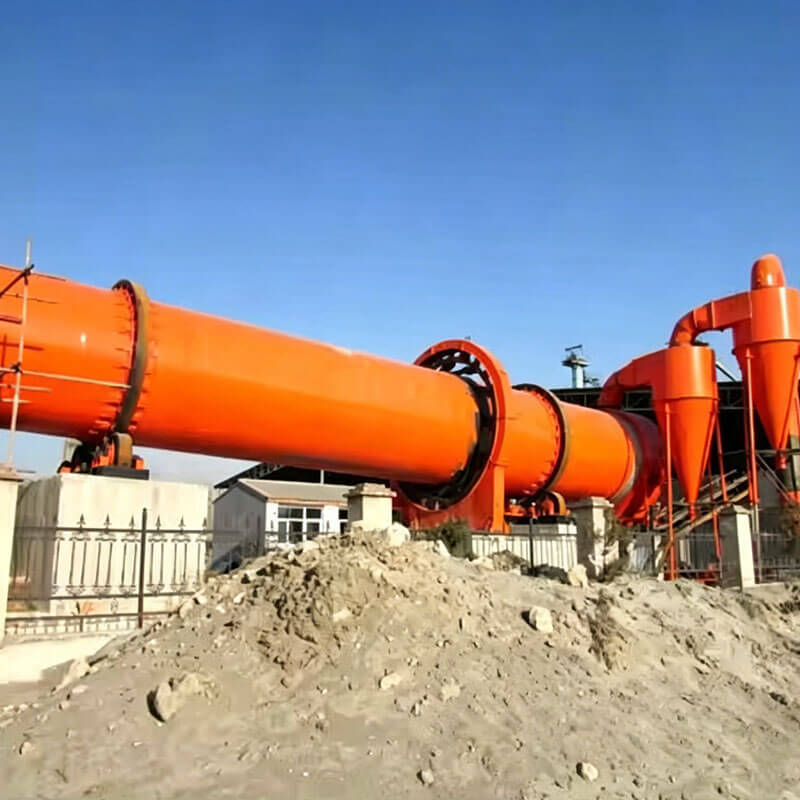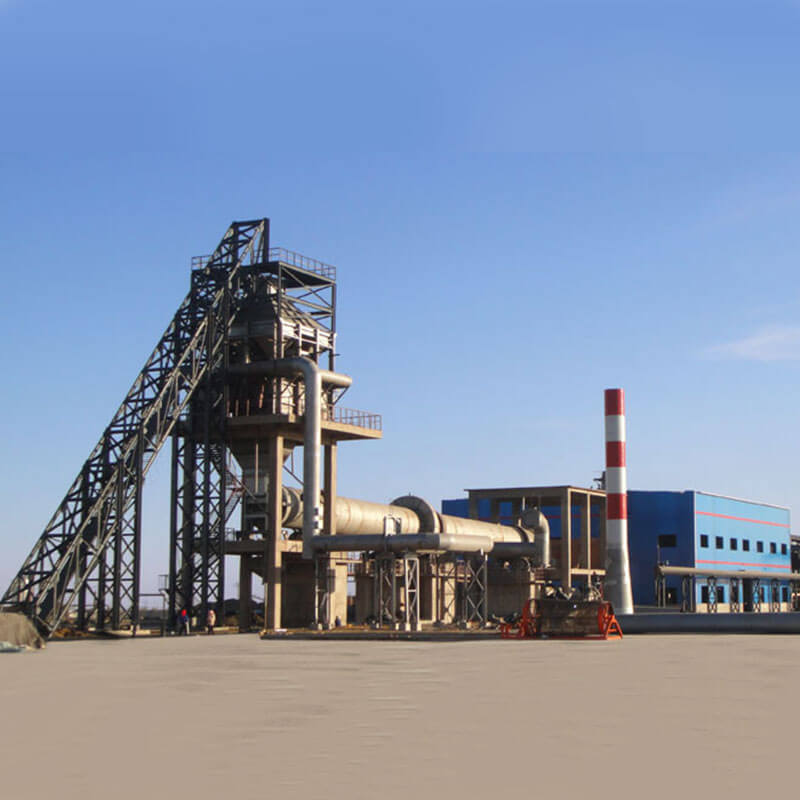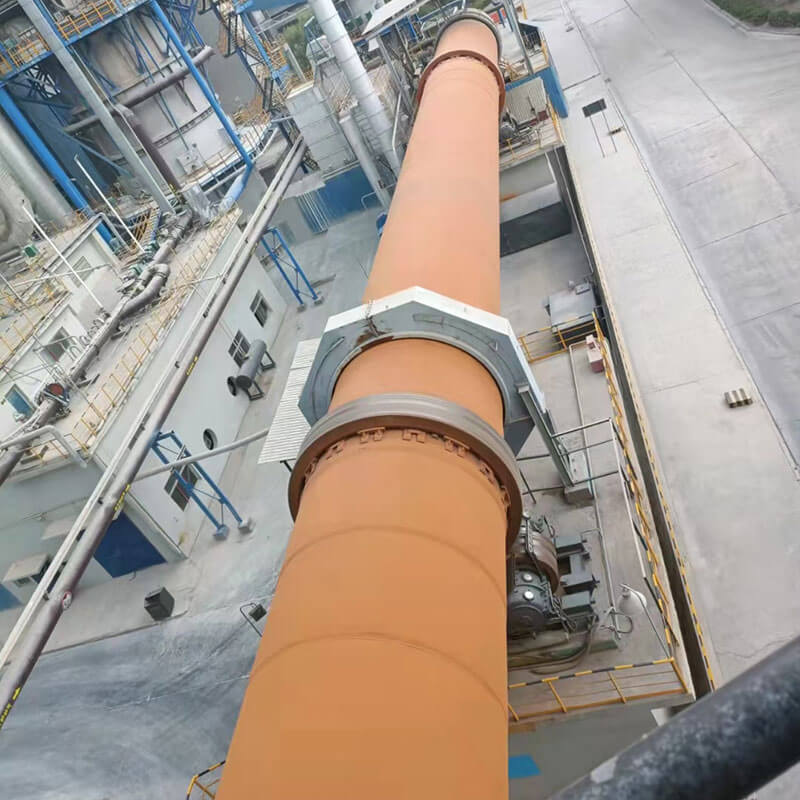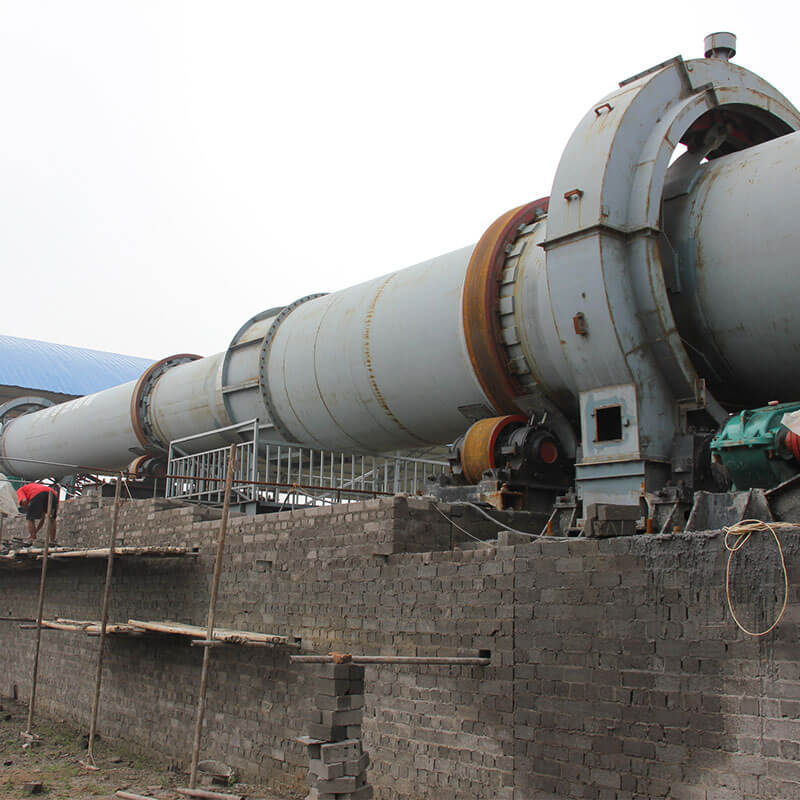
LECA Rotary Kiln
Professional High-Temp Sintering Kiln for Lightweight Expanded Clay Aggregate Production
LECA Rotary Kiln is dedicated thermal processing equipment specially designed for Lightweight Expanded Clay Aggregate (LECA) production.It processes clay, shale, fly ash and industrial tailings into honeycomb-structured LECA pellets with ultra-light weight, excellent thermal insulation and chemical stability, widely used in green building, insulation, horticulture and water treatment fields.
Stable Insulation
Waste Recycling
Stable Quality
What is LECA Rotary Kiln?
LECA (Lightweight Expanded Clay Aggregate) is a premium environmentally friendly green building material featuring lightweight, porous, heat-insulating, sound-absorbing and corrosion-resistant properties. Traditional sintering equipment adopts single high-temperature firing mode, which easily causes excessive expansion, pellet cracking, pore collapse or insufficient foaming. The finished LECA has uneven density, poor thermal insulation performance and high defective rate, failing to meet high-standard green construction and horticultural application requirements.
Our High-Precision LECA Rotary Kiln is professionally optimized for LECA’s unique physical expansion and pore-forming mechanism. It adopts three-stage staged temperature control of preheating drying, low-temperature softening expansion and constant-temperature sintering stabilization. It accurately controls internal gas expansion and honeycomb pore formation of raw pellets, ensuring uniform particle size, consistent porosity and stable insulation performance of finished LECA. Equipped with efficient waste heat recovery system, it realizes low-energy, high-quality continuous LECA production and solid waste resource recycling.
Contents
Core Structural Composition & Functional Advantages of LECA Rotary Kiln
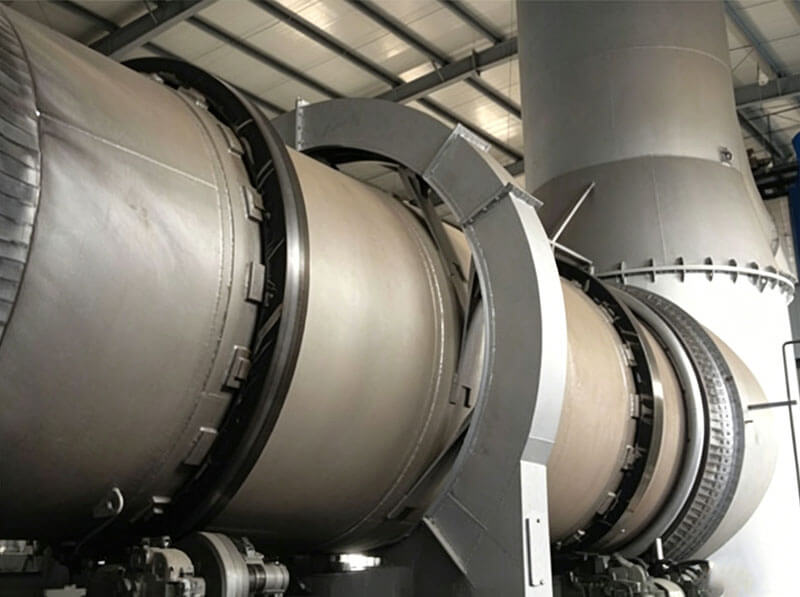
1. LECA Specialized Slow-Rolling Kiln Body
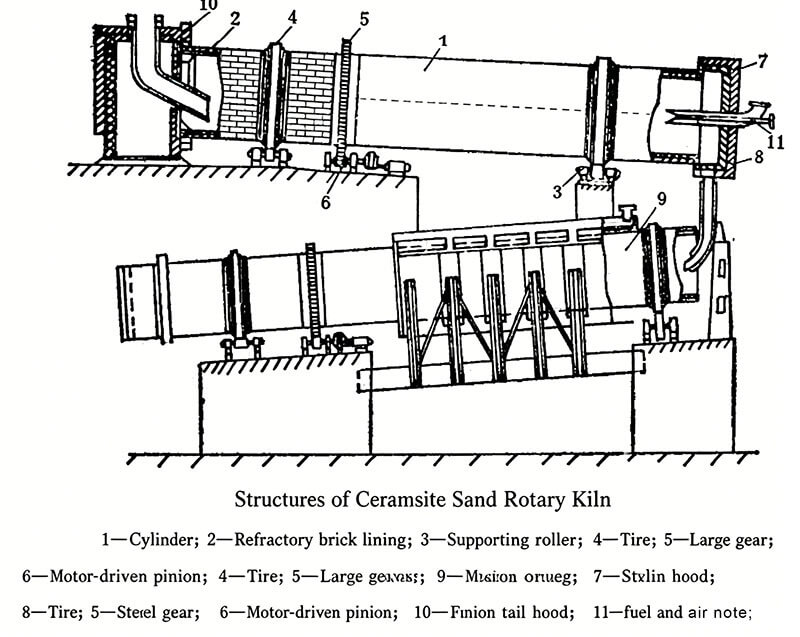
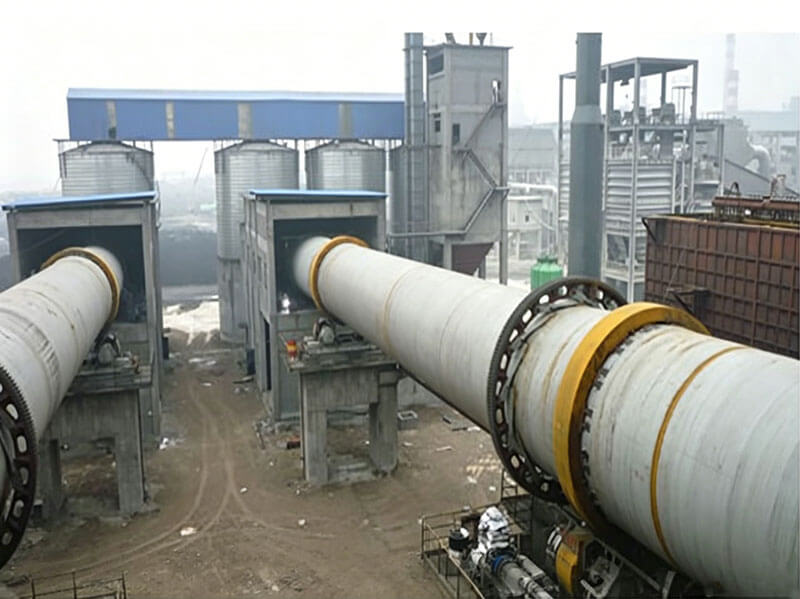
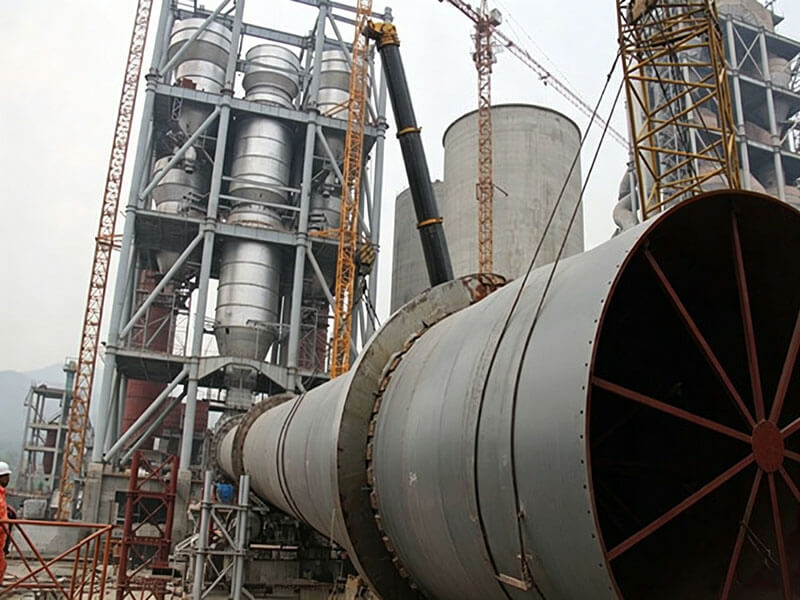
The kiln body adopts customized low-inclination and low-speed operation design, matching the soft expansion characteristics of LECA pellets. It ensures slow and uniform rolling of raw materials during high-temperature sintering, effectively preventing pellet cracking, deformation and pore collapse. The thickened high-strength steel plate structure resists high-temperature deformation and supports long-term continuous stable operation.
2. Uniform Temperature Refractory Heat Insulation Lining
The inner wall is paved with lightweight high-temperature resistant refractory bricks and multi-layer heat insulation structure. It reduces kiln body heat storage and heat loss, stabilizes the internal sintering temperature field, and eliminates local temperature difference. It ensures consistent expansion degree and pore uniformity of each LECA pellet, laying a foundation for stable finished product performance.
3. Three-Zone Independent Intelligent Temperature Control System
Equipped with independent preheating, expansion and sintering zone temperature adjustment modules, with core sintering temperature precisely locked at 1100-1200℃. The temperature control error is controlled within ±3℃, perfectly fitting the delicate pore-forming and expansion curve of LECA raw materials. It thoroughly solves the problems of insufficient foaming, uneven pores and low insulation performance of traditional equipment.
4. Uniform Radiation Multi-Fuel Combustion System
Supports natural gas, coal powder, diesel and biomass multi-fuel combustion. The optimized micro-flame burner forms soft and uniform heat radiation, avoiding intense local high-temperature impact. It realizes full fuel combustion, improves thermal utilization rate, and adapts to different regional fuel conditions to reduce production costs.
5. Closed-Loop Waste Heat Recovery System
High-temperature flue gas and cooling waste heat are fully recycled for raw material preheating and pellet drying. The comprehensive energy-saving rate is over 27%, which greatly reduces invalid heat loss and unit energy consumption. It realizes energy-saving and low-carbon LECA production, meeting global green manufacturing standards.
6. High-Tightness Sealing & Eco-Friendly Dust Removal
Kiln head and kiln tail adopt multi-layer flexible fish-scale sealing structure to block cold air intrusion and flue gas leakage. Matched with high-efficiency pulse dust removal equipment, it realizes zero dust overflow during operation. It not only reduces fine material loss, but also meets international environmental protection emission requirements.
7. Stepless Frequency Conversion Stable Transmission System
Adopts high-torque frequency conversion motor and precision reducer, with stepless adjustable rotating speed and material residence time. It can flexibly adapt to different raw materials such as pure clay, shale and fly ash, accurately adjusting expansion and sintering parameters to produce multi-specification high-quality LECA aggregates.
Core Product Advantages of LECA Rotary Kiln
1. Uniform Honeycomb Pore Structure & Stable Insulation Performance
Exclusive staged soft expansion technology realizes synchronous and uniform pore-forming of LECA pellets. The internal honeycomb pores are dense and consistent without collapse or hollow defects. The finished LECA has ultra-low bulk density, excellent thermal insulation and sound absorption performance, far superior to ordinary ceramsite products, suitable for high-standard green insulation projects.
2. Precise 1100-1200℃ Professional LECA Sintering
Aiming at the optimal expansion temperature range of LECA materials, the constant-temperature sintering zone avoids insufficient foaming caused by low temperature and pellet burnout caused by excessive temperature. The finished pellets have hard outer shell and stable internal structure, with high compression resistance and strong weather resistance.
3. Wide Raw Material Adaptability & Solid Waste Recycling
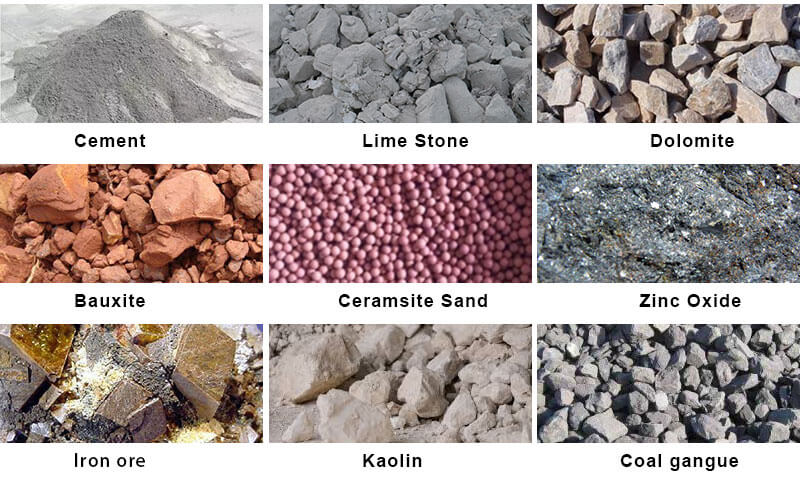
The equipment can process various raw materials: pure clay, shale, fly ash, coal gangue and industrial tailings. It converts low-value industrial solid waste into high-value green LECA building aggregates, realizing waste resource utilization, reducing environmental pressure and creating additional economic benefits for enterprises.
4. Low Defect Rate & Stable Batch Quality
Intelligent zoned temperature control and uniform rolling production mode eliminate manual operation errors and quality fluctuations. The defective rate of cracked, deformed and unexpanded pellets is controlled below 1%, ensuring consistent density, porosity and insulation performance of each batch of LECA products.
5. Significant Energy-Saving & Low Carbon Production
The full waste heat closed-loop recycling system greatly improves thermal efficiency. Compared with traditional LECA sintering equipment, the comprehensive energy consumption is reduced by more than 27%. Long-term continuous production effectively saves fuel costs and meets global low-carbon and environmental protection production trends.
6. Durable Structure & Low Operation & Maintenance Cost
Targeted structural optimization for LECA soft sintering working conditions, with high temperature resistance, wear resistance and anti-adhesion performance. The refractory lining and vulnerable parts have long service life, simple daily maintenance and low replacement cost, realizing long-term stable low-cost operation of the production line.
Working Principle & Complete Calcination Process of LECA Rotary Kiln
Core Working Principle
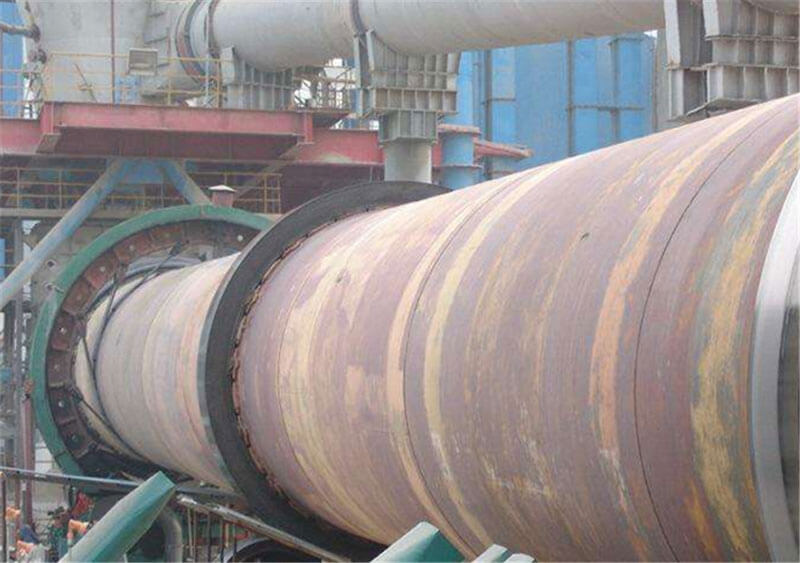
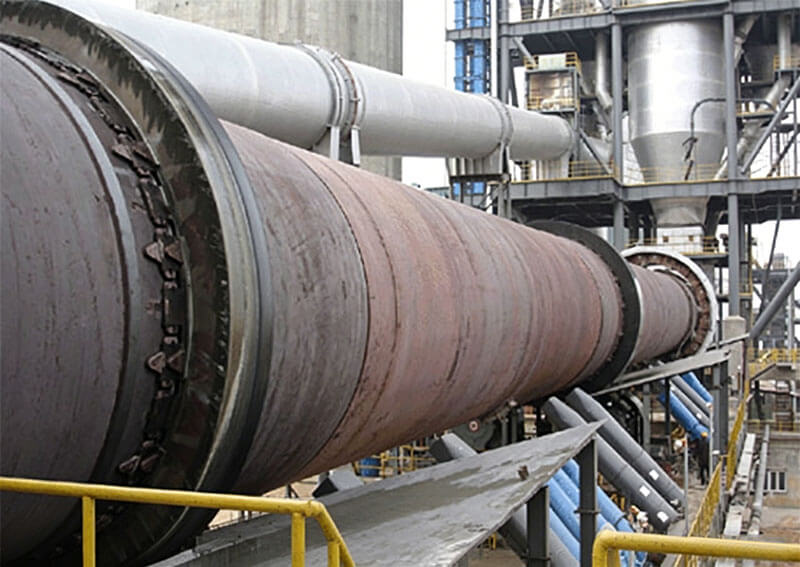
The LECA Rotary Kiln adopts countercurrent staged soft expansion sintering principle. The slightly inclined rotary cylinder drives prefabricated clay pellets to roll and advance uniformly from kiln tail to kiln head. High-temperature flue gas and materials flow in reverse to form a stable layered temperature field, avoiding local overheating and pellet damage.
Raw pellets complete three precise reaction stages in sequence: low-temperature preheating (200-500℃) to remove internal and surface moisture; medium-temperature softening expansion (900-1100℃) to trigger internal gas expansion and form uniform honeycomb pores; high-temperature constant-temperature sintering (1100-1200℃) to harden pellet outer shell and stabilize internal porous structure. After cooling and screening, qualified lightweight and high-insulation LECA aggregates are formed.
Standard LECA Production Flow
Raw Material Crushing & Batching → Fine Grinding & Homogenizing → Pelletizing Molding → Waste Heat Pre-Drying → LECA Rotary Kiln Staged Sintering → Drum Rapid Cooling → Particle Grading Screening → Finished Packaging & Storage
Application Scenarios of LECA Rotary Kiln
Main Application Fields
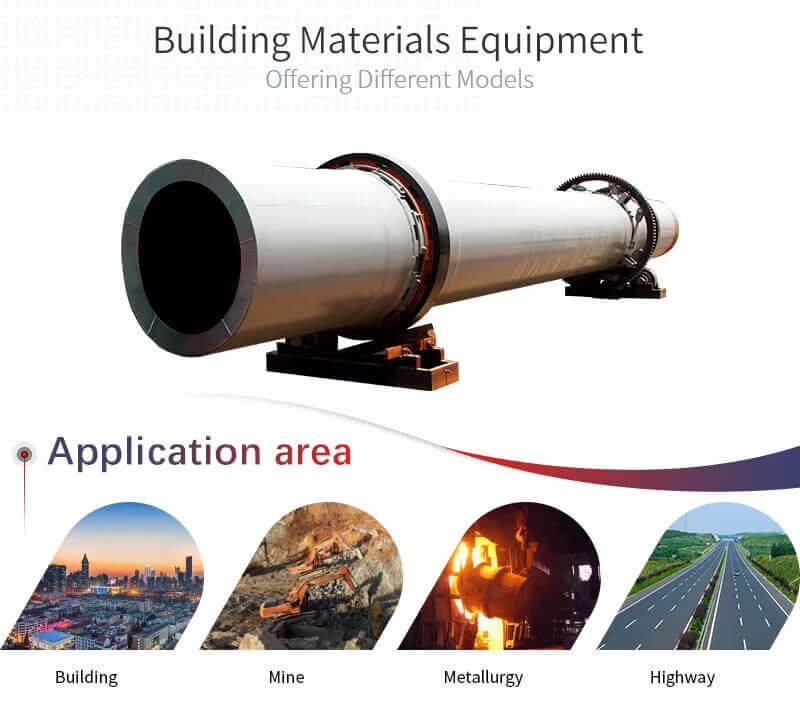
LECA Rotary Kiln is core dedicated equipment for green lightweight expanded clay aggregate production. The produced high-quality LECA pellets are widely used in green building lightweight concrete, wall thermal insulation layers, roof heat insulation, bridge and road lightweight filling, garden horticultural planting medium, industrial water treatment filter material and building sound insulation projects. It is an essential core equipment for global energy-saving and environmental protection building material production.
Classic Matching Production Line
Raw Material Crushing & Fine Grinding → Automatic Batching & Mixing → Round Pelletizing Molding → Waste Heat Pre-Drying → LECA Rotary Kiln Staged Sintering → Drum Rapid Cooling → Particle Grading & Screening → Automatic Packaging & Storage
Real Project Cases of LECA Rotary Kiln
Case 1: Green Building LECA Insulation Aggregate Project | Malaysia Building Material Plant
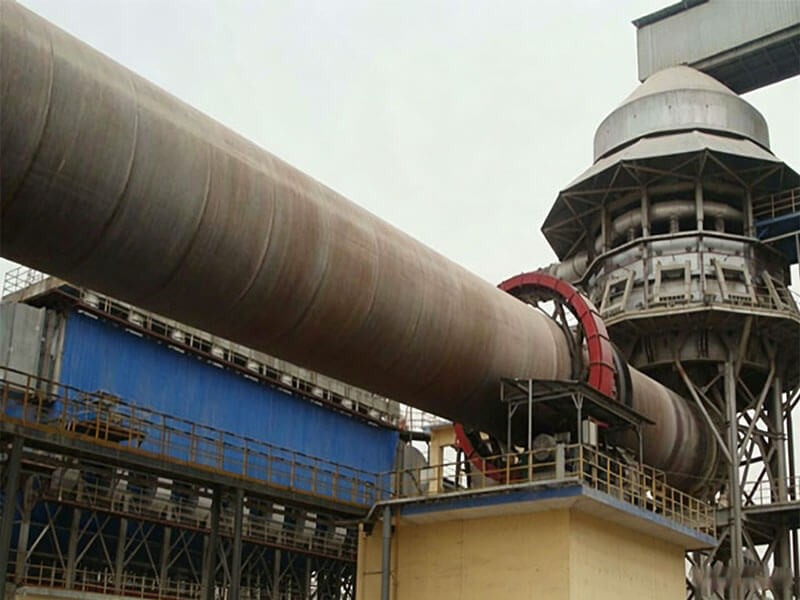
Project Info: The customer needed high-insulation LECA aggregates for high-rise building thermal insulation projects. Our Φ2.8×60m LECA dedicated rotary kiln was adopted. Through precise 1100-1200℃ constant-temperature sintering and staged expansion technology, the produced LECA has uniform honeycomb pore structure and excellent thermal insulation performance. The product fully meets local green building material standards, with stable batch quality and 27% lower comprehensive energy consumption than traditional equipment.
Case 2: Fly Ash Recycling LECA Production Project | Thailand Environmental Protection Base
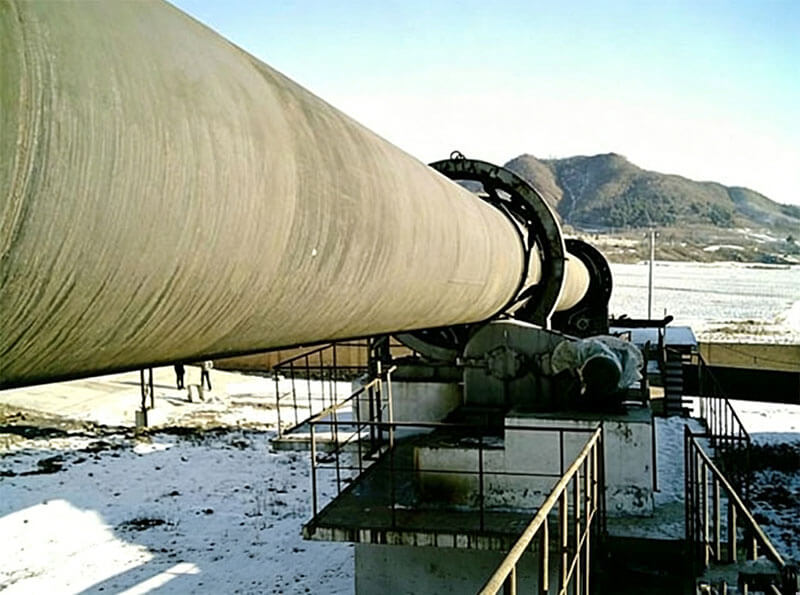
Project Info: The customer focused on industrial fly ash resource utilization and low-carbon production. Our high-adaptability LECA rotary kiln successfully sinters fly ash into high-quality lightweight LECA aggregates. The finished products are used for lightweight building filling and horticultural planting, realizing harmless disposal and resource reuse of solid waste, with remarkable environmental and economic benefits.
Case 3: Horticultural & Water Treatment LECA Project | Australia Green Engineering Project
Project Info: The customer required high-purity, high-porosity and chemically inert LECA for planting and water filtration. Our professional LECA sintering kiln realizes precise pore-forming and stable sintering. The finished LECA features uniform particle size, strong air permeability and corrosion resistance, fully meeting the strict requirements of horticultural cultivation and industrial water treatment projects.
[Technical Parameters of LECA Rotary Kiln
| No. | Model | Capacity (t/h) | Revolving speed(RPM) | Support | Power (KW) | Weight (t) | Remark |
| 1 | Φ1.6×32m | 2 | 0.58-2.85 | 3 | 18.5 | 46.8 | |
| 2 | Φ1.6/1.9×36m | 2.5-3 | 0.53-1.59 | 3 | 22 | 57 | |
| 3 | Φ1.9×39m | 3-3.4 | 0.53-1.59 | 3 | 37 | 71.79 | |
| 4 | Φ2.2×45m | 4-5 | 0.214-1.64 | 3 | 45 | 142.6 | |
| 4 | |||||||
| 5 | Φ2.5×40m | 6.3 | 0.62-1.5 | 3 | 55 | 160 | preheater kiln |
| 7.5 | |||||||
| 6 | Φ2.5×50m | 5-6 | 0.62-1.5 | 3 | 55 | 175 | |
| 7.5 | |||||||
| 7 | Φ2.5×55m | 5-6 | 0.62-1.5 | 3 | 55 | 180 | |
| 7.5 | |||||||
| 8 | Φ2.7×42m | 13 | 0.6-2.3 | 3 | 55 | 190 | preheater kiln |
| 11 | |||||||
| 9 | Φ2.7×44m | 13 | 0.74-2.21 | 3 | 55 | 193 | preheater kiln |
| 11 | |||||||
| 10 | Φ2.8×42m | 14 | 0.5-2.503 | 3 | 55 | 195 | preheater kiln |
| 7.5 | |||||||
| 11 | Φ2.8×43m | 8.3 | 0.62-1.5 | 3 | 75 | 198 | preheater kiln |
| 11 | |||||||
| 12 | Φ2.8×55m | 6-7 | 0.62-1.5 | 3 | 75 | 215.6 | |
| 11 | |||||||
| 13 | Φ3×48m | 700 | 0.67-3.76 | 3 | 110 | 251 | decompose outside |
| 18.5 | |||||||
| 14 | Φ3.0×50m | 9.2 | 0.5-1.5 | 3 | 125 | 255 | preheater kiln |
| 11 | |||||||
| 15 | Φ3×60m | 7-9 | 0.5-1.5 | 3 | 125 | 270 | |
| 11 | |||||||
| 16 | Φ3×88m | 12.5 | 0.444-1.345 | 5 | 110 | wet kiln | |
| 11 | |||||||
| 17 | Φ3×100m | 11-13.5 | 0.47-1.48 | 5 | 90 | wet kiln | |
| 11 | |||||||
| 18 | Φ3.2×48m | 0.788-3.88 | 3 | 125 | |||
| 11 | |||||||
| 19 | Φ3.2×50m | 12.5 | 0.4-1.5 | 3 | 125 | preheater kiln | |
| 22 | |||||||
| 20 | Φ3.2×50m | 12.5 | 0.788-3.938 | 3 | 160 | decompose outside | |
| 15 | |||||||
| 21 | Φ3.2×64m | 8-10 | 0.4-1.5 | 4 | 190 | 337.8 | |
| 22 | |||||||
| 22 | Φ3.2×118m | 17 | 0.292-1.459 | 6 | 110 | wet kiln | |
| 11 | |||||||
| 23 | Φ3.3×50m | 13 | 0.36-3.57 | 3 | 160 | decompose outside | |
| 11 | |||||||
| 24 | Φ3.3×50m | 13 | 0.36-3.57 | 3 | 160 | 288 | preheater kiln |
| 11 | |||||||
| 25 | Φ3.3×52m | 13 | 0.67-3.43 | 3 | 160 | 290 | decompose outside |
| 11 | |||||||
| 26 | Φ3.3×54m | 14 | 0.92-2.74 | 3 | 125 | 292 | preheater kiln |
| 11 | |||||||
| 27 | Φ3.5×54m | 14 | 0.55-3.5 | 3 | 220 | decompose outside | |
| 18.5 | |||||||
| 28 | Φ3.5/3×60m | 14-16 | 0.39-1.95 | 4 | 110 | hollow waste heat | |
| 11 | |||||||
| 29 | Φ3.5×70m | 12-14 | 0.4-1.5 | 4 | 280 | 394.6 | |
| 22 | |||||||
| 30 | Φ3.5×125m | 21.8 | 0.281-1.406 | 5 | 2×90 | wet double drive | |
| 2×11 | |||||||
| 31 | Φ3.5×130m | 22 | 0.439-1.379 | 5 | 2×90 | wet double drive | |
| 2×5.5 | |||||||
| 32 | Φ3.5×145m | 25 | 0.345-1.379 | 6 | 2×90 | wet double drive | |
| 2×5.5 | |||||||
| 33 | Φ3.6×55m | 16.7 | 0.4-1.5 | 3 | 250 | preheater kiln | |
| 22 | |||||||
| 34 | Φ3.6×74m | 20.5 | 0.222-1.666 | 4 | 132 | hollow waste heat | |
| 11 | |||||||
| 35 | Φ3.8×58m | 20.8 | 0.4-1.5 | 3 | 250 | preheater kiln | |
| 22 | |||||||
| 36 | Φ3.95×56m | 0.6-3.3 | 3 | 250 | decompose outside | ||
| 15 | |||||||
| 37 | Φ4.0×60m | 25 | 0.4-1.5 | 3 | 315 | 470 | preheater kiln |
| 30 | |||||||
| 38 | Φ4.0×60m | 25 | 0.58-3.459 | 3 | 250 | 470 | decompose outside |
| 15 | |||||||
| 39 | Φ4×80m | 16-20 | 0.4-1.5 | 4 | 355 | 564.8 | |
| 30 | |||||||
| 40 | Φ4×80m | 29.17 | 0.316-1.582 | 4 | 160 | hollow waste heat | |
| 15 | |||||||
| 41 | Φ4/3.5/4×150m | 30.42 | 0.343-1.714 | 6 | 2×125 | wet double drive | |
| 2×11 | |||||||
| 42 | Φ4×150m | 33.3 | 0.509-1.528 | 6 | 2×125 | wet double drive | |
| 2×11 | |||||||
| 43 | Φ4×150m | 30-34 | 0.402-1.587 | 6 | 280 | wet single drive | |
| 30 | |||||||
| 44 | Φ4.7×72m | 0.35-3.5 | 3 | 550 | decompose outside | ||
Get Custom LECA Rotary Kiln Solution
Our LECA Rotary Kiln adopts exclusive three-stage soft expansion sintering technology, specially customized for lightweight expanded clay aggregate production. With core advantages of precise temperature control, uniform honeycomb pore structure, excellent insulation performance, significant energy-saving effect and wide raw material adaptability, it provides reliable core equipment support for global green building material and low-carbon environmental protection projects, helping customers create high-value eco-friendly LECA products.
Contact us now for free process design, model selection and accurate turnkey quotation!
FAQs of LECA Rotary Kiln
Q1: What is a LECA rotary kiln used for?
A: LECA rotary kiln is dedicated high-temperature sintering equipment for Lightweight Expanded Clay Aggregate production. It sinters clay, shale and fly ash into porous, lightweight and heat-insulating LECA pellets, widely used in green building insulation, horticulture and environmental protection fields.
Q2: What is the optimal sintering temperature for LECA production?
A: The standard LECA sintering temperature is 1100-1200℃. Preheating at 200-500℃ removes moisture, 900-1100℃ realizes material softening and expansion, and constant-temperature sintering stabilizes the honeycomb pore structure to ensure qualified LECA performance.
Q3: What is the difference between LECA rotary kiln and ordinary ceramsite kiln?
A: LECA kiln focuses on uniform pore expansion and insulation performance, adopting low-speed soft sintering and precise temperature control to ensure ultra-light weight and high porosity. Ordinary ceramsite kilns focus on particle strength, which cannot meet LECA’s high insulation and uniform pore requirements.
Q4: What raw materials can be used for LECA production?
A: Multiple eco-friendly raw materials are available, including natural clay, shale, fly ash, coal gangue and industrial tailings. It realizes solid waste recycling and low-carbon green production with high resource utilization rate.
Q5: Is LECA rotary kiln energy-saving and environmentally friendly?
A: Yes. Equipped with full waste heat recovery and closed dust removal system, the energy-saving rate exceeds 27%. It not only reduces production energy consumption, but also realizes solid waste resource utilization, conforming to global low-carbon environmental protection policies.